Is Toulouse Worth Visiting
If you’re planning a trip through southern France or crossing over from Spain, Toulouse might not be the first city you think of, but it should be. It offers something that many larger French destinations don’t: a genuine sense of place. No tourist gloss, no overexposure, just a warm, lived-in city of terracotta bricks, riverside hangouts, and real daily rhythm.
So, is Toulouse worth visiting? Absolutely, and this guide will show you why.
I passed through Toulouse as part of a longer loop from Madrid to Barcelona, through Andorra, and into southern France. Of all the places I stopped, this city stood out for its balance. It’s not huge or over-polished, but it feels real. The streets are walkable, the buildings glow in the evening light, and the rhythm of daily life is hard to miss. People fill the cafés, the markets hum with energy, and there’s this quiet sense that Toulouse wasn’t built around tourists, it’s just living well on its own terms.
This guide isn’t a checklist. It’s here to help you decide whether Toulouse matches your style, your time, and your broader travel route. By the end, you’ll know exactly what makes the city worth visiting and whether it belongs on your map through France or Spain.

How Does Toulouse Compare to Paris, Barcelona, and Marseille?
If you’re planning a route through France or Spain, chances are you’re weighing your options: Paris, Barcelona, Bordeaux, Marseille, maybe all of them. This section isn’t here to convince you not to visit those cities. You absolutely should. Each has its own appeal and deserves your time. But if you’re on the fence about whether to add Toulouse, here’s how it fits in real travel terms.
Paris
Paris is unforgettable, but it’s intense. Between the crowds, queues, and scale of the city, it can feel like a marathon. Toulouse is smaller, slower, and easier to navigate. You won’t get grand monuments, but you will get a sense of ease. It’s the kind of place where you can breathe, walk, eat well, and feel like you’re in France without feeling like a tourist.
Barcelona
Barcelona is exciting, creative, and full of energy. It’s also crowded and nonstop. If you’re coming from Spain, Toulouse feels like a natural reset. The pace slows, the streets calm down, and the pressure to always be doing something fades. It’s a city that lets you move at your own speed.
Bordeaux
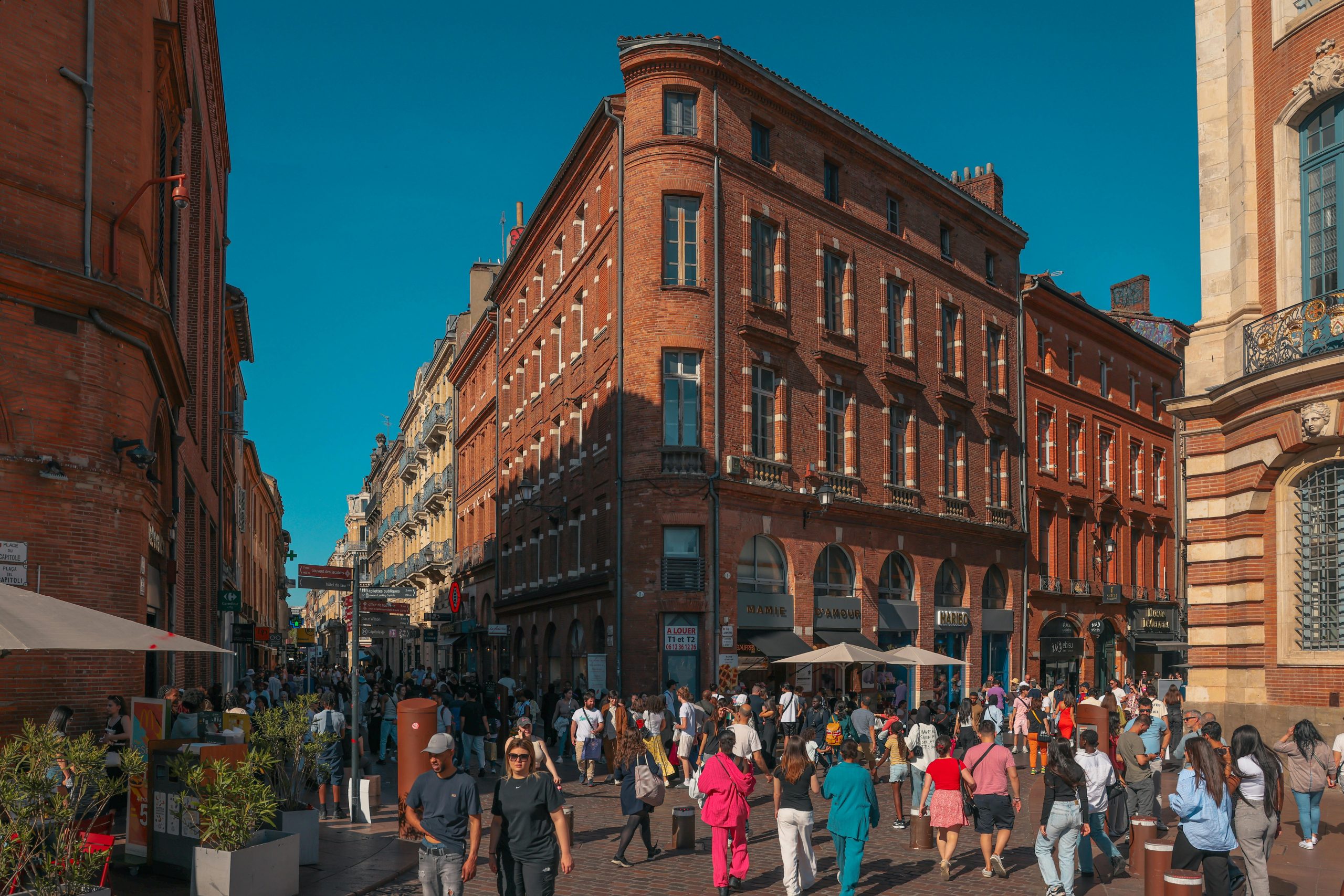
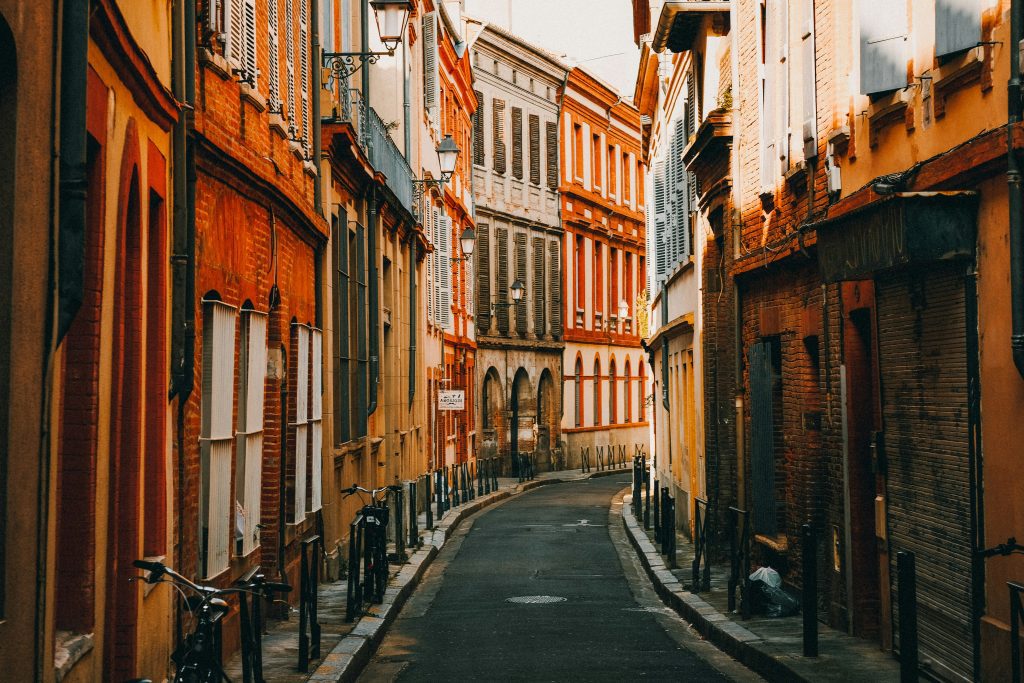
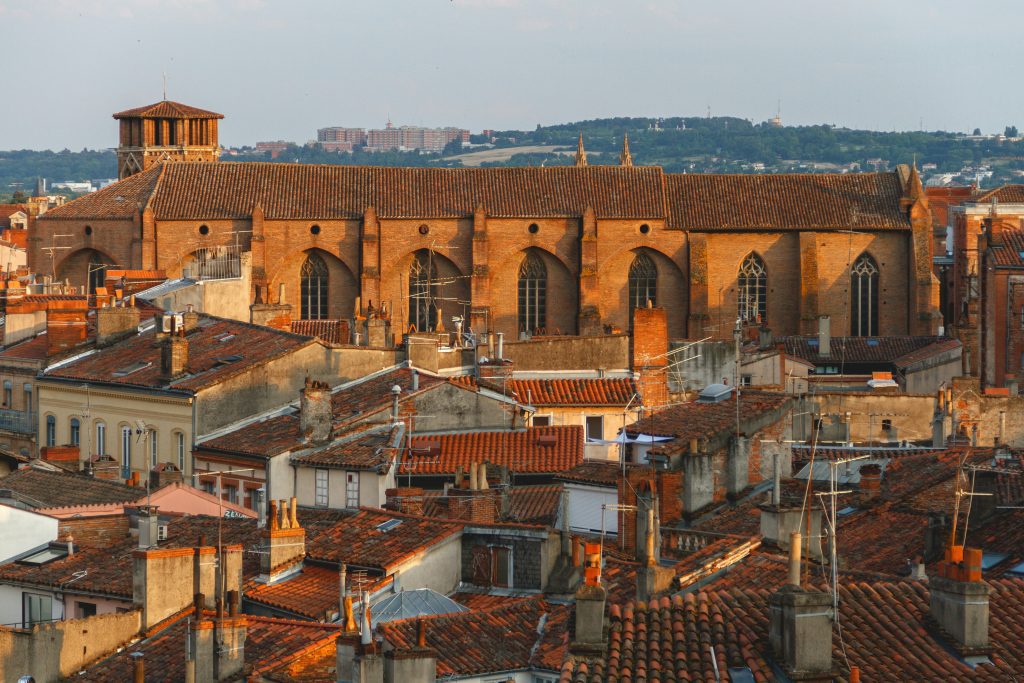
Bordeaux is refined, elegant, and visually consistent. It’s a beautiful place to walk through, especially if you love wine, symmetry, and classic architecture. Toulouse feels a bit looser and more lived-in. The buildings are warm with pink brick, the food is hearty, and the atmosphere is more spontaneous than curated.
Marseille
Marseille gives you the sea, strong contrasts, and a lot of character. It’s fast, wide, and full of edge. Toulouse, by contrast, is compact and approachable. You lose the coast, but gain a walkable center, reliable public transport, and a calm that makes short visits feel longer in a good way.
I’ve been to most of the cities on this list (sorry Paris), and they’re all worth visiting. But in my opinion, Toulouse is 100% worth it. The vibe, the food, and the easy day trips all made it a standout for me. If you’re debating whether to include it, I’d say yes.
I actually came to Toulouse after hiking in Andorra, which made the contrast even sharper. If you’re curious about that leg of the trip, you can check out my Andorra hiking guide here.
Top Highlights That Show Why Toulouse Is Worth It
You don’t need a long list to understand why Toulouse is worth visiting. A few places capture its rhythm and character better than any itinerary ever could.
Place du Capitole
The heart of the city. This grand central square is surrounded by pink-brick arcades and the iconic Capitole building, which houses both city hall and a theater. It’s a natural meeting point and an easy way to feel the city’s pulse. Sit for five minutes and you’ll see how relaxed, social, and balanced Toulouse really is.
Basilique Saint-Sernin
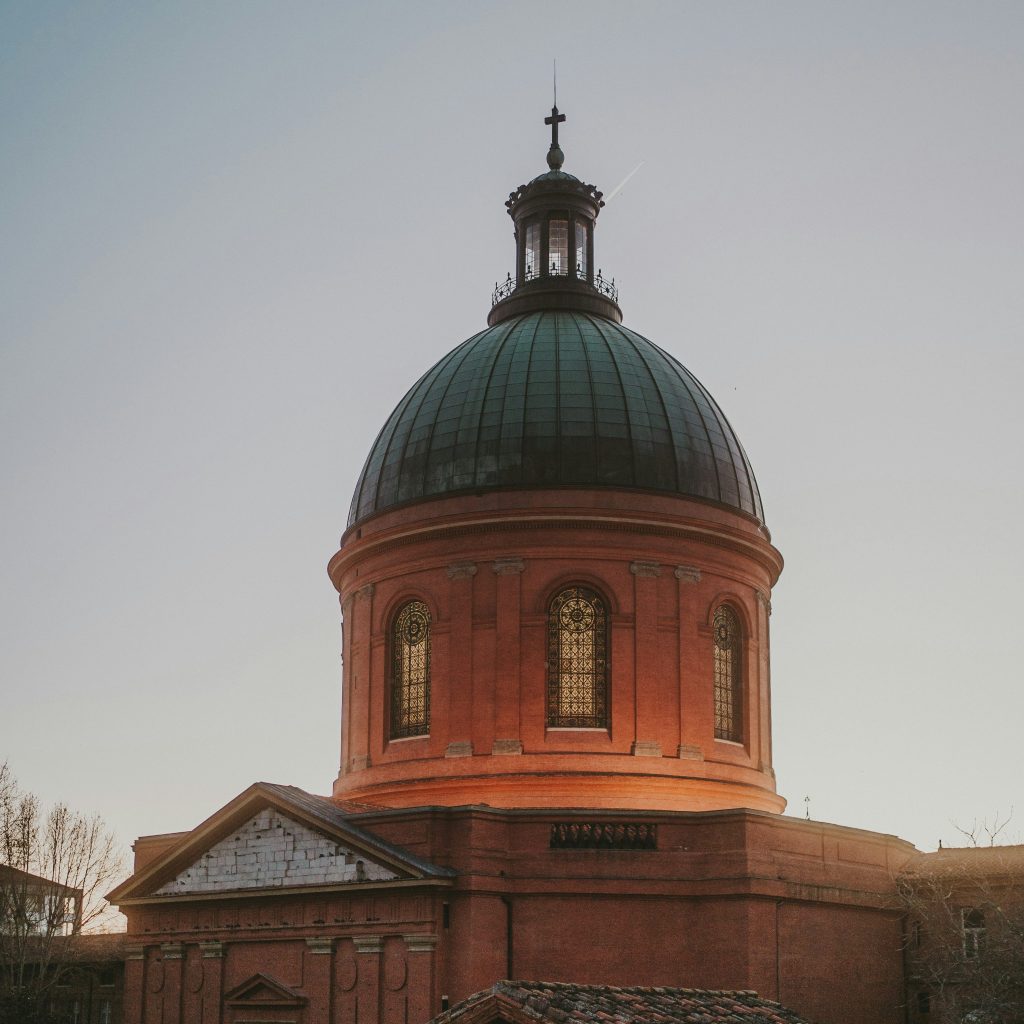
One of the most important Romanesque churches in Europe, this basilica has real presence. Even if churches aren’t normally your thing, the scale and symmetry here are hard to ignore. It’s also part of the Camino de Santiago pilgrimage route, which adds another layer of meaning if you’re into cultural history.

Garonne Riverfront
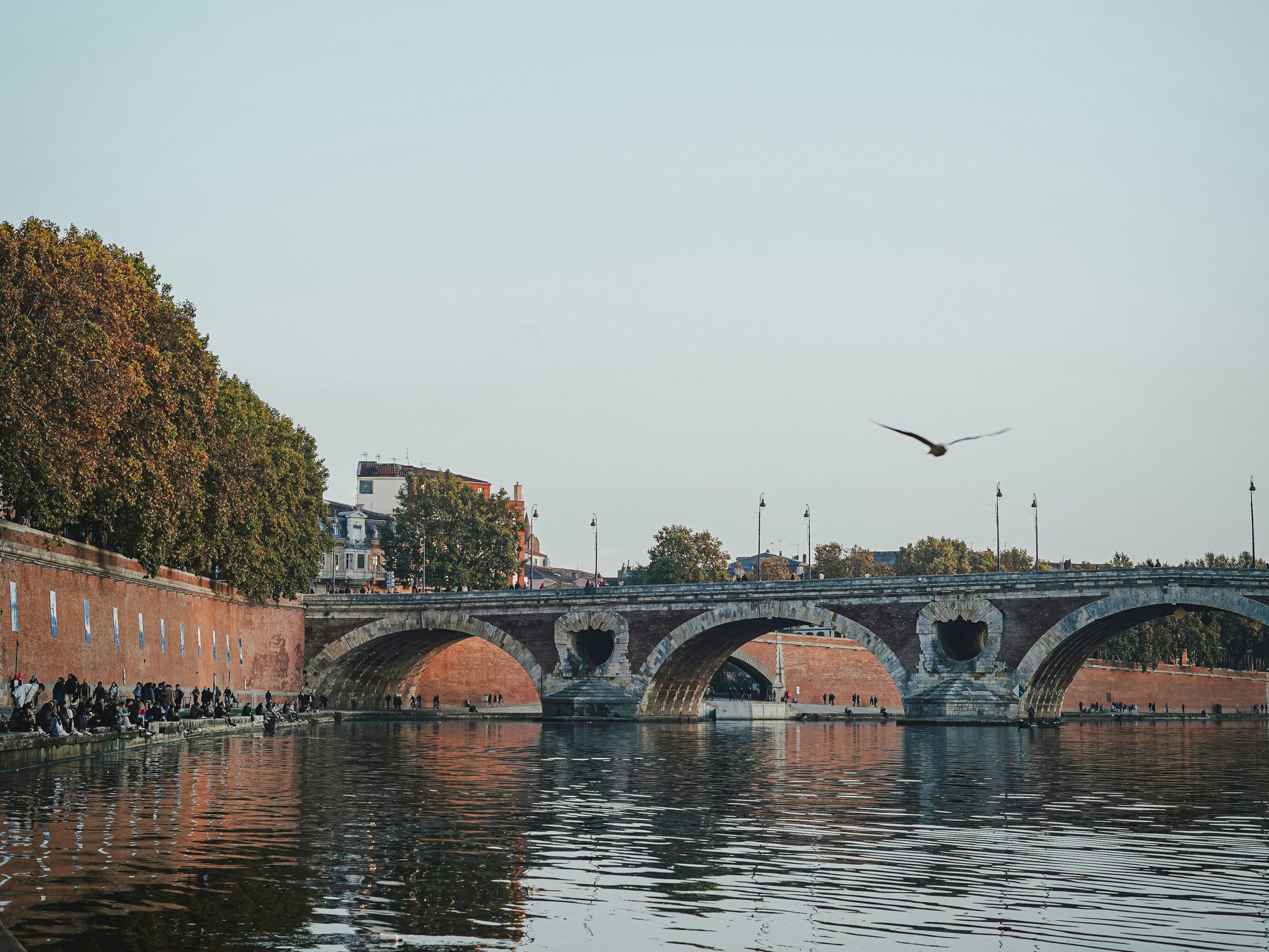
This was my favorite spot in the city. Around sunset, everything softens—the light hits the brick just right, students gather with snacks and drinks, and the whole place fills with this low-key energy that makes you want to stay longer. It’s not about what you’re doing here, it’s about how you feel while you’re doing nothing.
Aerospace Culture
Toulouse isn’t just charming, it’s also cutting edge. Home to Airbus and several major engineering schools, it plays a major role in Europe’s aerospace industry. The Cité de l’Espace museum brings that side of the city to life if you want something beyond the usual historic core.
Together, these spots show why Toulouse works. It’s not one big monument or attraction, it’s the blend of historic, modern, and relaxed that makes it feel real.
Is Toulouse Safe?
Yes, Toulouse is safe for visitors. The historic center, Carmes, and the areas around the Garonne feel comfortable to walk through during the day and into the evening. I found it noticeably calmer and safer than Marseille, and far less intense than Paris.
Most issues are limited to typical city problems such as pickpocketing near busy spots or around the main train station. Standard awareness is enough. Keep your bag zipped in markets, stay alert at night near the station, and you’ll be fine.
The overall atmosphere is relaxed and lived-in, not chaotic. Students, locals, and visitors all share the same streets, which gives the city an easy, grounded feel.
If you want a data-based look at safety levels, you can check recent crime statistics on Numbeo’s Toulouse page.

Best Time to Visit Toulouse
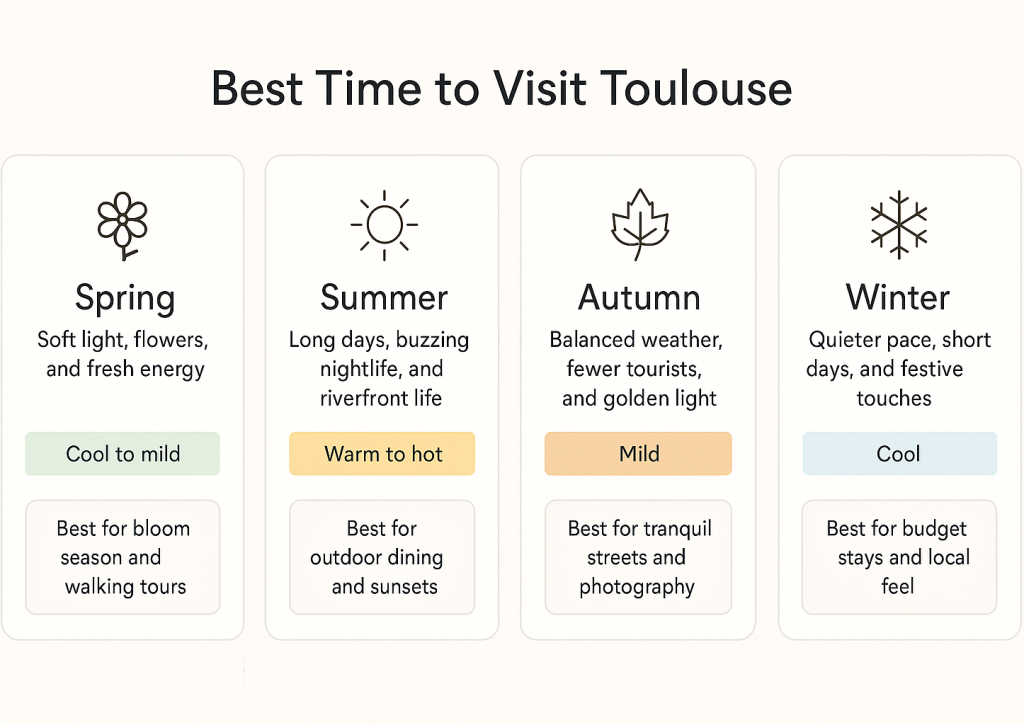
Toulouse is pleasant year-round, but the experience shifts with the seasons. Positioned between the Atlantic and the Mediterranean, the city enjoys mild winters, warm summers, and long shoulder seasons that are ideal for walking and exploring.
Spring and early autumn offer the best balance. The weather is mild, the brick architecture catches soft light, and the city moves at a relaxed pace without tourist crowds. I visited in late May, and while the days were already quite warm, especially noticeable inside my hostel, it was still a great time.
Late October often surprises travelers. It’s cooler, but still walkable and less crowded, giving the historic core a quieter, more local feel.
Summer brings long evenings and a lively atmosphere. While midday heat can be strong, nights along the river and in the squares are among the best of the year.
Winter is slower but not shut down. The rhythm becomes more local, and although there’s less daylight, the city stays accessible and easy to navigate.
There’s no bad season to visit, but personally I’d say it’s best to visit Toulouse when the temperatures are moderate like in spring or fall.
How Many Days You Need
You can see the main sights of Toulouse in a day, but I’d recommend staying longer if you can. A full weekend gives you time to explore the old town, relax by the river, and still fit in a day trip to the surrounding region. That balance made it a standout stop during my own travels.
For most travelers, two to three days is ideal. The first day lets you settle in and explore the city center at your own pace. The second gives you room to visit nearby highlights or take things slower without feeling rushed. A third day means you can dive deeper into neighborhoods, enjoy local cafés, or visit a museum before moving on.
Toulouse works well even on a tight schedule, but it shines when you give it space. The charm builds quietly, and an extra day often ends up being the part people remember most.
Who Will Enjoy Toulouse Most
Toulouse suits travelers who appreciate atmosphere over attraction counts. If you’re the kind of person who likes a city to reveal itself slowly, through its brick facades, riverside sunsets, and everyday rhythm, you’ll likely find Toulouse rewarding.
It’s a strong fit for:
- Couples looking for a romantic but relaxed city break
- Solo travelers who enjoy walking, journaling in cafés, or observing local life
- Students or younger travelers interested in a youthful, lived-in energy without tourist chaos
- Families with older kids or teens who enjoy culture and food, but not rigid sightseeing schedules
- Slow travelers or digital nomads who value walkability and authenticity
- Anyone planning a France to Spain itinerary looking for a stop that adds color and depth between better-known cities
The city’s scale is part of the appeal. You can explore without feeling lost or pressured to see everything. It reminds me of a small big city, where there’s something to do for everyone.
Final Verdict
Toulouse is worth visiting if you’re looking for something different from the typical French itinerary. It doesn’t compete with Paris for grandeur or Bordeaux for wine-country polish, but it offers something many travelers overlook: balance. You get vibrant local life, walkable streets, and a strong sense of place, all without the tourist crowds.
It’s a great choice for solo travelers, couples on a slower route, or students looking for a livable city with character. It also works well as a cultural pause between bigger destinations in France or Spain.
For me, what stood out was the rhythm of the city, that feeling of not needing to rush. I still remember sitting along the Garonne at sunset, surrounded by students and street musicians, with the whole riverfront glowing in soft pinks and oranges. No landmark needed. Just a moment.
If that kind of travel speaks to you, then yes, visiting Toulouse is absolutely worth it.
You can explore more cities like this on my Destinations page.
Frequently Asked Questions
Is Toulouse worth visiting for a short trip?
Yes. The historic center is compact, walkable, and easy to understand in a short time. Even one day gives you a clear sense of the city’s architecture, cafés, and riverfront atmosphere.
Is Toulouse friendly for English speakers?
Yes. Basic English is widely understood in the central districts, especially in cafés, museums, and public transport areas. A simple bonjour before asking a question makes interactions smoother.
Is Toulouse expensive compared to other French cities?
It is generally more affordable than Paris, Lyon, or Nice. Food, accommodation, and daily costs are manageable, and the city offers good value for the quality of experience you get.
Is Toulouse safe to walk around?
The city center feels comfortable at most hours. Normal awareness is enough, especially in busy squares and transport hubs. The old town is residential in many areas, so the atmosphere stays calm.
What is Toulouse most known for?
Toulouse is known for its pink brick architecture, its historic old town, and its major role in the aerospace industry as the home of Airbus. This mix of tradition and innovation gives the city its distinct identity.