My 11-Day Morocco Road Trip Itinerary: From Tangier to Essaouira on a Budget
This Morocco road trip itinerary covers 11 days of scenic drives, chaotic medinas, spontaneous wrong turns, and more mint tea than I care to admit. Starting in Tangier and ending in Essaouira, we hit the country’s greatest hits—Chefchaouen, Marrakech, the Atlas Mountains—plus a few lesser-known gems along the way.
It wasn’t always relaxing, and it definitely wasn’t predictable. But it was one of the most rewarding trips I’ve ever taken. Between the blue-washed streets, desert sunsets, and moments of wait, are we lost again?, Morocco delivered nonstop adventure on a budget that didn’t wreck my finances or my sanity.
This isn’t just a list of places. It’s the real route we took, what I’d actually recommend, and everything I wish I’d known before handing over the keys to a dented rental car and diving into the Moroccan unknown.

Stop 1: Tangier – The First Stop on Our Morocco Road Trip Itinerary
Our Morocco road trip began the way all legendary misadventures do: with no cell service, a missing rental car team, and growing hunger-related delusions on a windy beach.
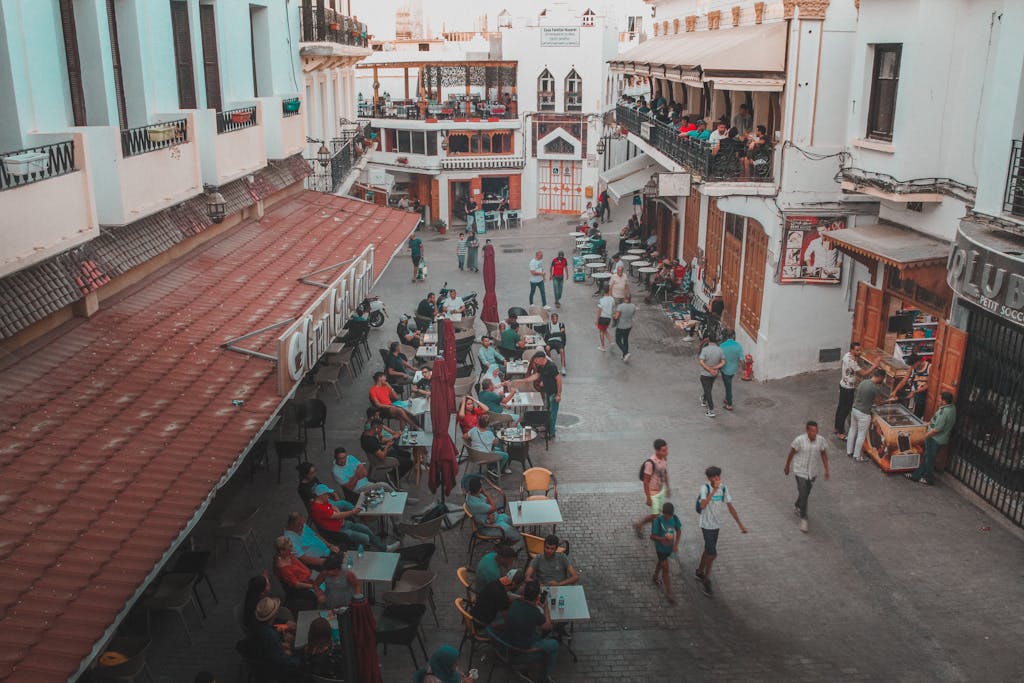
We’d just landed in Tangier and dropped our bags at an Airbnb near Plage Municipale. Half of us headed to the beach. The other half—poor souls—set out to pick up the car. Naturally, no one had working phones or a plan beyond “meet back later,” which, in retrospect, was wildly optimistic.
As the sun set and our group remained MIA, those of us on the sand began spiraling into hangry despair. That’s when a group of Moroccan university students, clearly sensing we were about five minutes from eating each other, invited us to join their pre-Ramadan picnic. It was the night before the holy month began, and they were having one last beach feast with friends—and, apparently, us.
It was one of those rare, genuinely heartwarming moments while traveling. They shared everything—tagines, soup, bread, dates—and treated us like old friends instead of random clueless tourists who didn’t pack snacks. It was wholesome, delicious, and completely unexpected.
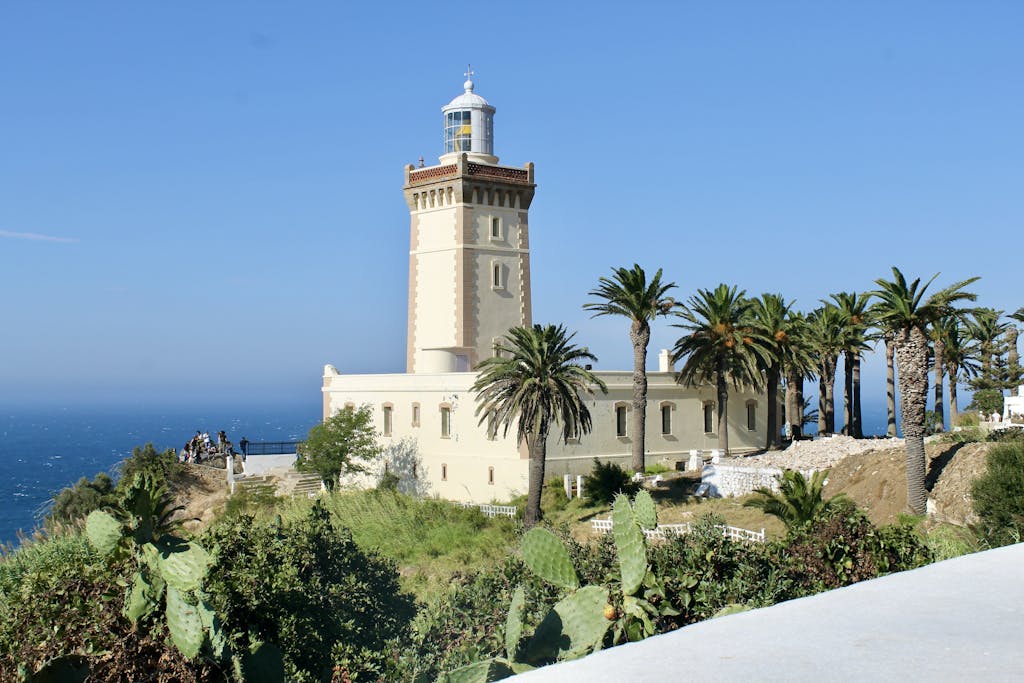
Eventually, our car-hunting crew stumbled back just as the stars came out, looking exhausted but victorious. We had the car. We had a full belly. We had made it through Day One.
Not everyone we’d meet in Morocco would be quite this generous (cue ominous foreshadowing), but this moment set a tone of hospitality we wouldn’t forget.
I would’ve liked to explore the city more—Tangier had layers, and we barely scratched the surface. But with a packed itinerary ahead, we hit the road early the next morning, still riding the high of that first night’s unexpected magic.
Things to Know Before Visiting Tangier
- Don’t split up without phones. Ever. It’s not romantic, it’s just dumb.
- Tangier’s beach is laid-back, the people even more so.
- If you’re visiting around Ramadan, you might just get invited to something special—say yes.
- Tangier is a great place to land, adjust, and ease into the Moroccan rhythm. One night worked for us—but if you’re less pressed for time, staying longer wouldn’t hurt. There’s more to explore than we managed to see.
Stop 2: Chefchaouen – The Blindingly Blue Stop on Our Morocco Road Trip Itinerary
Chefchaouen is what happens when a city picks a color and takes it way too seriously. Everything—and I mean everything—is blue. The walls, the stairs, the flower pots, even the trash bins. It’s like the town collectively agreed to become a living Pinterest board.
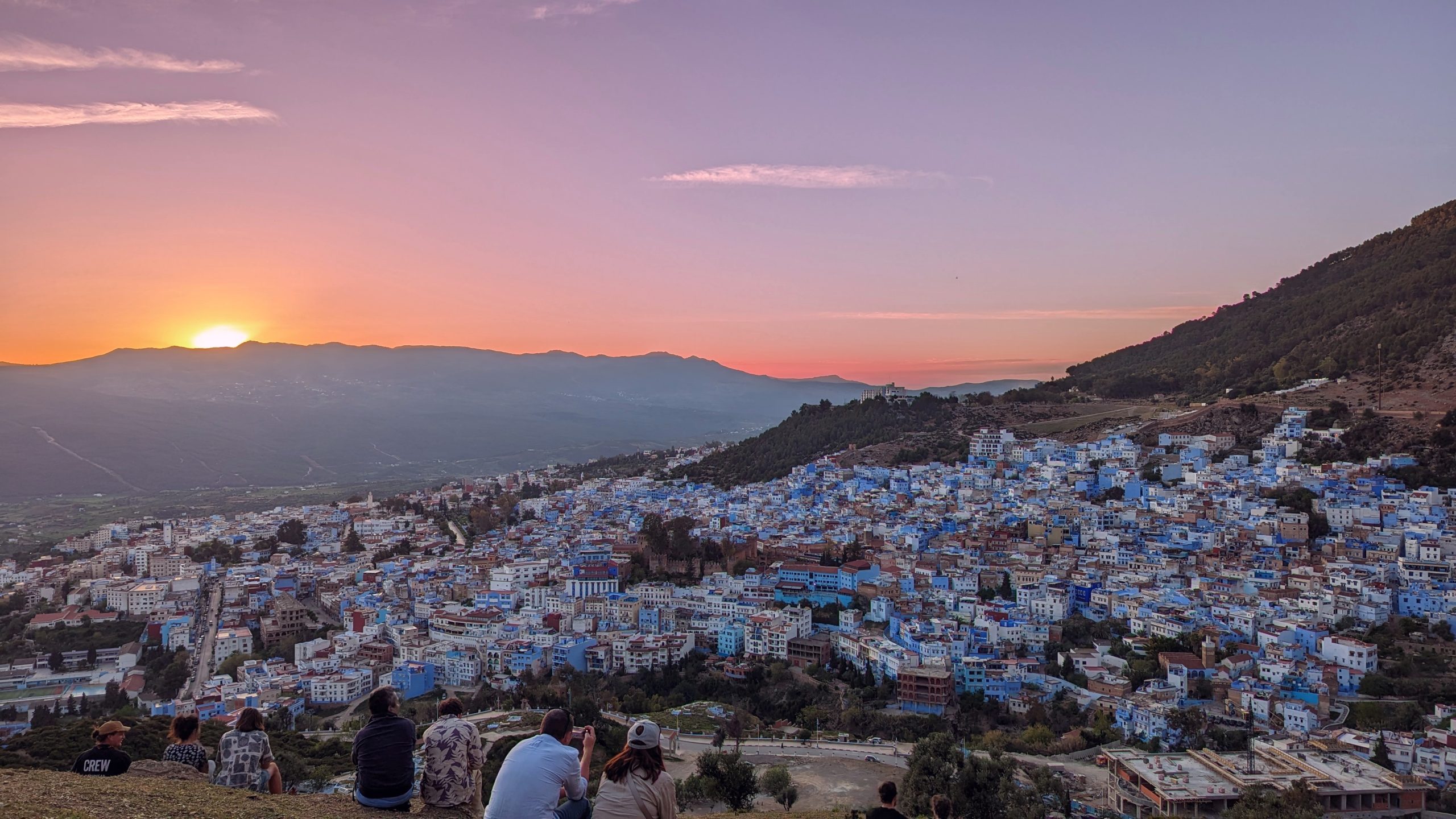
So why is it blue? Short answer: Jewish refugees fleeing Spain in the 1400s settled here and painted buildings blue to symbolize the sky, heaven, and spirituality. That, or it was a brilliant early branding move. Either way, it stuck—and now it’s one of Morocco’s most photogenic destinations. Here’s a deeper explanation if you’re into historical rabbit holes.
We spent two nights here, which gave us plenty of time to get lost in the medina (intentionally and not), take 300 nearly identical photos of blue doors, and eat our way through various forms of tagine. During the day, it’s peaceful, charming, and easy to navigate. But at night, the mood shifts. The medina felt noticeably sketchier after dark—less laid-back mountain village, more let’s get off the street and re-evaluate our life choices.
Also, yes, people still tried to sell us things. Not as aggressively as in Marrakech, but let’s just say you won’t be leaving without being offered a rug, a bracelet, or something mysteriously described as “Berber healing.”

Akchour Waterfalls Day Trip
After about 24 hours in a perfectly curated blue dreamscape, we needed to remind ourselves what other colors looked like. So we took a day trip to Akchour, a quiet, green valley about 45 minutes from Chefchaouen that, thankfully, hadn’t been dipped in pigment.
The hike winds along a river through the Rif Mountains, with just enough uneven terrain to keep things interesting and enough loose rocks to make you question your shoe choices. The waterfalls were stunning, the trail was peaceful—and somehow, miraculously—empty. No tour groups. No speakers blasting. No one trying to sell you a mystery snack wrapped in plastic. Just trees, rocks, and our collective ankle stability being tested.

We swam in one of the lower falls. The water was freezing in that “I might die, but at least I’ll be clean” kind of way. But honestly? Totally worth it. Nothing like a glacial shock to reset your nervous system after a few days of mint tea and slow medina strolls.
There were monkeys watching us from the trees, which felt appropriately judgmental. A few cafés dot the trail, in case you want to pay triple for warm soda and a kebab that may or may not be goat. If you’re looking for a proper trail guide (or proof that you’re not lost), this AllTrails page has the route covered.

Things to Know Before Visiting Chefchaouen
- Yes, it really is that blue—and yes, you’ll take photos of every single door
- Two nights is ideal: enough time to explore, but not long enough to get bored
- The medina is calm by day but gets sketchy after dark—don’t wander alone
- You’ll still get sales pitches, but with a softer tone than in bigger cities
- Akchour is worth it—just wear real shoes, bring snacks, and expect monkeys
- If someone says something is included, it probably isn’t. Check your bill
Stop 4: Casablanca – Mild Panic and a Giant Mosque on Our Morocco Road Trip Itinerary
On our way south, we made a brief stop in Rabat—Morocco’s capital and, in our limited experience, a great place to stretch your legs, grab something edible, and keep expectations low. We didn’t stay long enough to form a strong opinion, which might actually be the opinion.
Then came Casablanca—a name that sounds glamorous until you’re stuck in traffic, questioning your life choices, and wondering how this city made it onto your Morocco road trip itinerary in the first place.
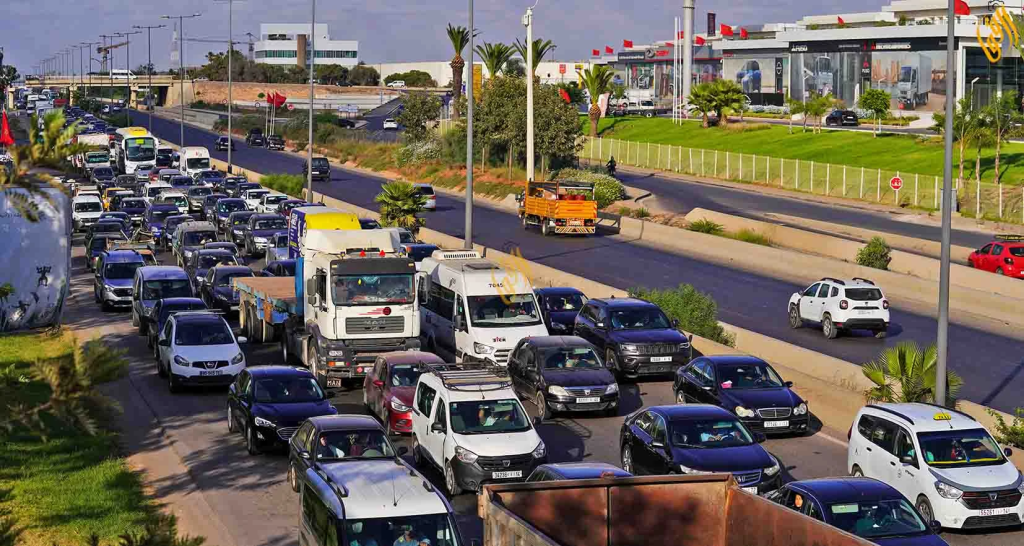
Driving here was horrible. Lanes were a suggestion, traffic lights felt optional, and Google Maps lost the will to live about three turns in. Between the chaos, honking, and the constant game of “Is this a road or a sidewalk?”, Casablanca tested our patience more than anywhere else on the trip.
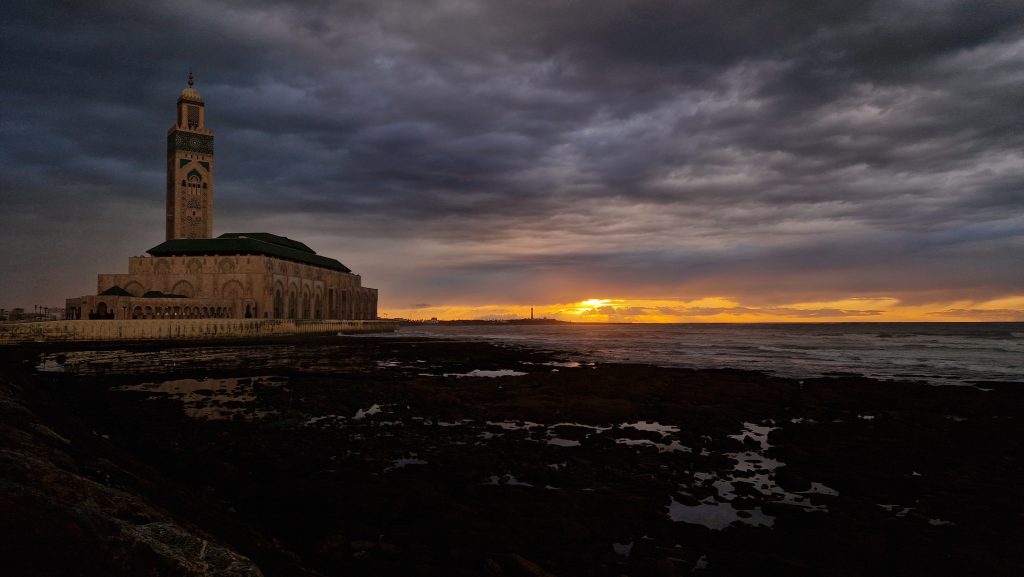
That said, it wasn’t all bad. The Hassan II Mosque is genuinely breathtaking. Perched right on the coast, it’s one of the largest mosques in the world—and it feels that way. You don’t have to be religious or even culturally curious to appreciate how massive, intricate, and beautifully built it is. If there’s one reason to stop in Casablanca, this is it.
Just… maybe Uber there.
Things to Know Before Visiting Casablanca
- Driving here is a nightmare. Like, actual anxiety nightmare
- The Hassan II Mosque is 100% worth it—go during visiting hours and take the tour
- Beyond the mosque, there’s not much unless you’re into modern urban sprawl
- One night max. Any longer and you’re voluntarily suffering
- If you’re coming from the calm of Chefchaouen, prepare for emotional whiplash
Stop 5: Marrakech – The Part of Our Morocco Road Trip Itinerary Where Sanity Gets Tested
Welcome to Marrakech—the part of the trip where adrenaline replaces oxygen and patience becomes a luxury. It’s chaotic, historic, loud, and aggressive in every possible way. And yes, we stayed too long.
There’s no denying the city has charm buried under the fumes and unsolicited “help,” but I’d be lying if I said it was for me. The energy is overwhelming, the sales tactics are relentless, and getting a moment of peace is like finding a working traffic light in the medina—technically possible, but unlikely.

I did enjoy the haggling. Negotiating prices in the souks felt like a sport I was accidentally good at. But not everyone in our group was prepared, and I had to step in more than once when things got pushy. One guy followed us after we turned down his help, then screamed at us when we wouldn’t pay him. Good times.
Oh, and the food? I made the brilliant decision to try some questionable meat-on-a-stick from a smoky street cart. It smelled amazing, tasted suspiciously decent, and then spent the next 48 hours exacting revenge. I was curled up in our riad, making dramatic bargains with the universe and mapping out the quickest routes to every bathroom within a 500-meter radius. For 2 to 3 days, I was less “adventurer” and more “hostage to a digestive hostage situation.”

We did visit Dar Si Said, a beautiful museum tucked away in the madness. The architecture and tile work were incredible, and it was one of the few places in Marrakech where I could actually hear myself think.
But overall? We should’ve cut our time here by at least a day.

Day Trip: Imlil & the Atlas Mountains
After two days of chaos, combustion fumes, and existential bargaining in the medina, Imlil was exactly what we needed. It’s a quiet Berber village about 90 minutes from Marrakech, nestled in the Atlas Mountains—and it actually feels like a different planet.
We didn’t do any extreme hiking, just walked around the valley, took in the views, and let our nervous systems recalibrate. Snow-capped peaks, crisp air, and complete silence except for the occasional donkey—it was beautiful and oddly emotional after the noise of Marrakech.
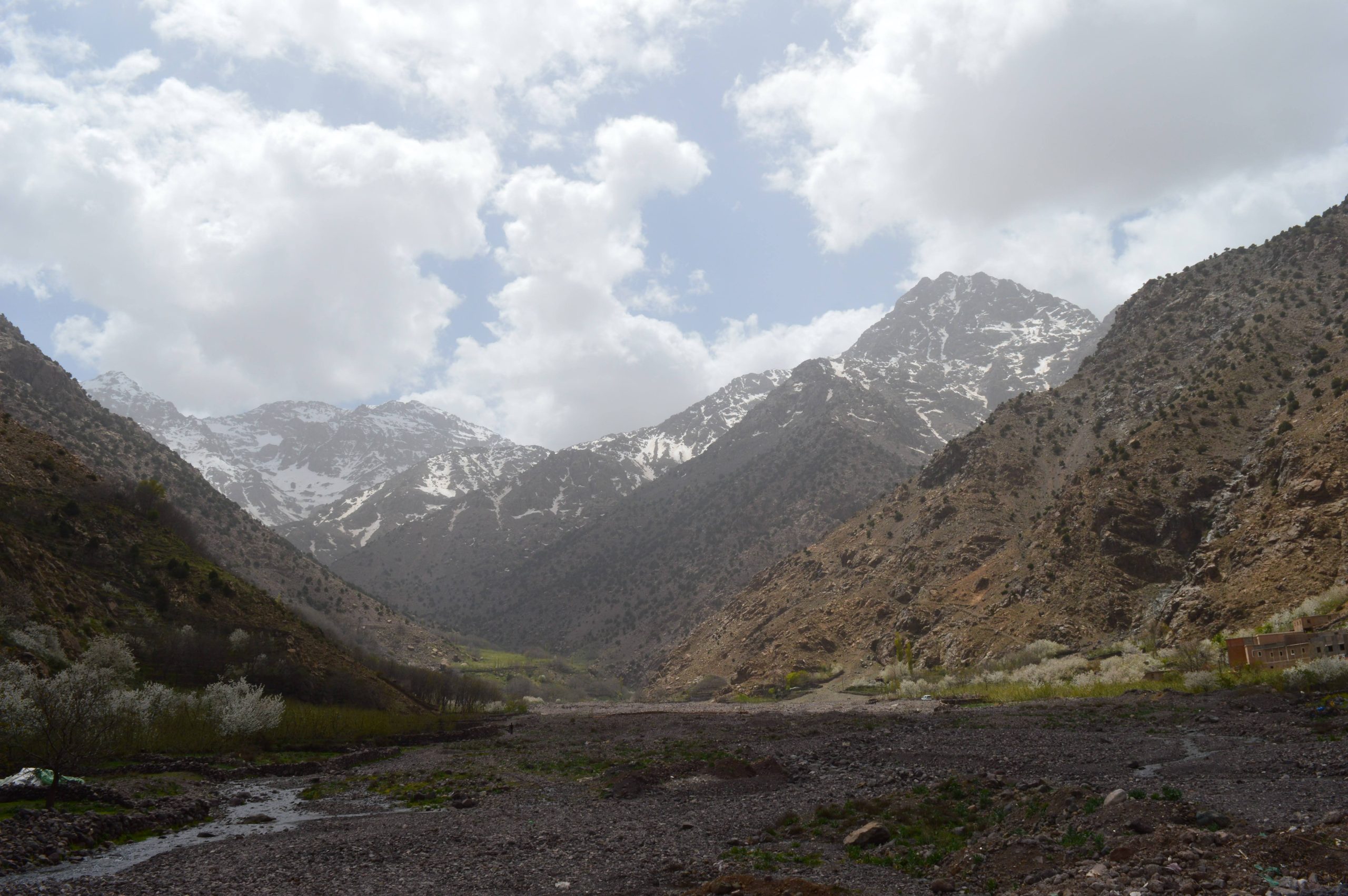
If you’re planning a Morocco road trip itinerary, this is a no-brainer detour. It’s peaceful, authentic, and a strong reminder that Morocco isn’t just marketplaces and motorcycles.
Day Trip: Agafay Desert
Let’s get this out of the way: Agafay is not the Sahara. It’s a rocky, dry landscape that has been cleverly branded as “the stone desert.” It’s close to Marrakech (under an hour), which makes it great for a short trip—but don’t expect towering dunes and endless sand.
We did a half-day experience here with quad biking and camel rides, which sounded cool on paper. It was… fine. The quads were fun but felt a little staged, the camel ride was bumpy and kind of awkward, and the “desert camp” had more ring lights than rugs. You’ll get great photos, but the vibes were more “Instagram package tour” than authentic nomadic escape.
That said, if you don’t have time to get to the real desert, Agafay scratches the surface (literally).

Day Trip: Ouzoud Waterfalls
Ouzoud Waterfalls were a highlight. No sarcasm here—they were stunning. About a 3-hour drive from Marrakech, this spot felt like it belonged in a different country. Towering waterfalls crashing down into a deep gorge, surrounded by lush greenery and red rock cliffs. And monkeys—so many monkeys. Some playful, some clearly plotting.

The hike down is a bit steep, but nothing extreme. At the bottom, you can hop on a little raft and get close to the falls, or just sit and enjoy the view while locals try to sell you snacks and selfies. There are cafés with decent food and surprisingly great views, and it’s one of the few places in Morocco where you can hear water instead of honking.
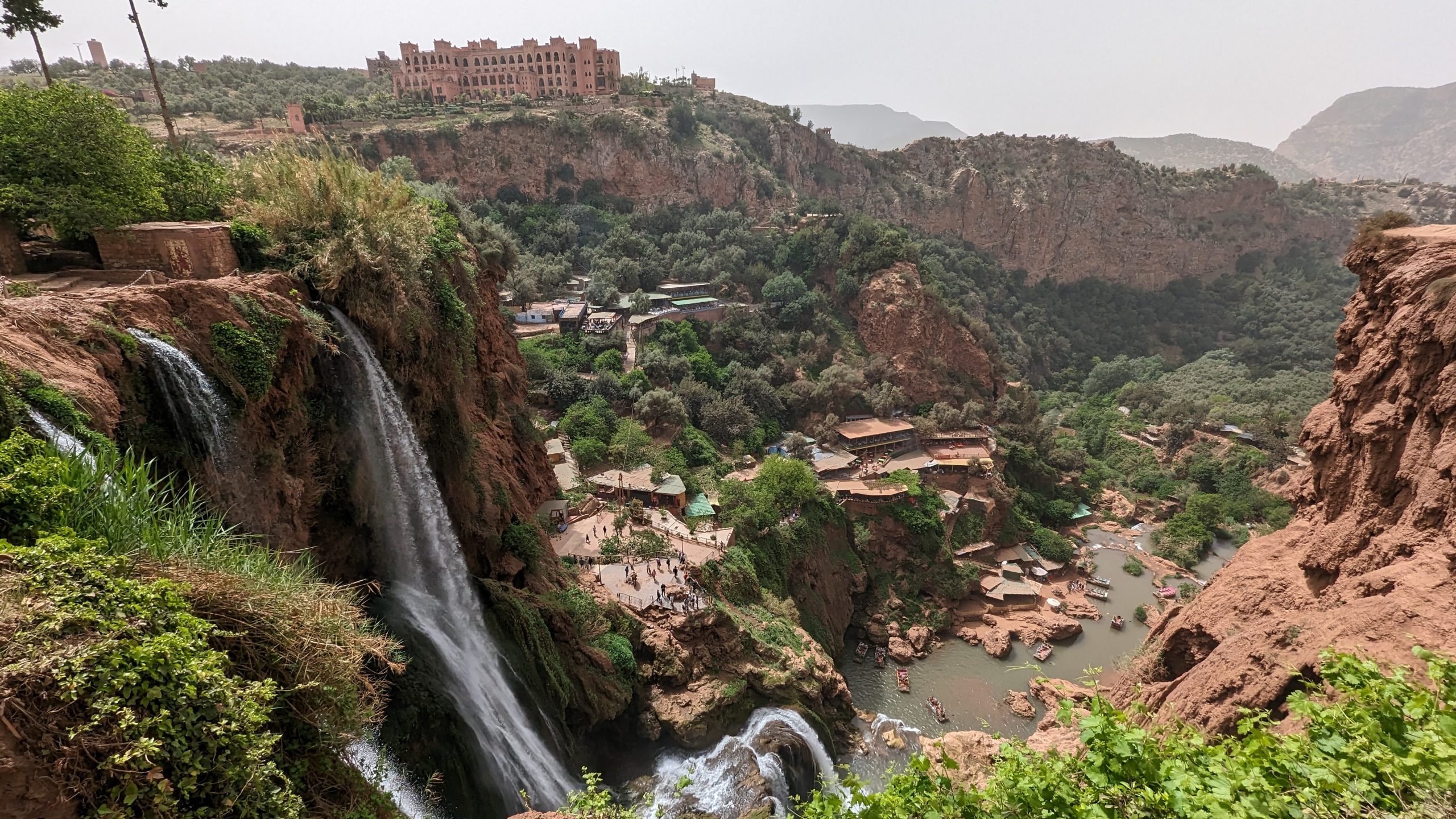
Absolutely worth the day trip.
Stop 6: Essaouira – The Most Chill Stop on Our Morocco Road Trip Itinerary
After Marrakech, we needed a break. So we ditched the car, caught a bus, and landed in Essaouira, a coastal town where things finally slowed down. Fewer crowds, fewer honking motorbikes, and not once did someone scream at us for walking the wrong way. A miracle, really.
The city was originally built in the 18th century by Sultan Sidi Mohammed ben Abdallah, who decided to make it Morocco’s Atlantic trade gateway. He even hired a French architect to design the medina, which probably explains why it actually makes sense to walk through. It’s still fortified, still buzzing with shops, but this one doesn’t try to run you over.

We spent a couple of days exploring the town, poking around the medina, eating a borderline irresponsible amount of seafood, and trying our luck at surfing. The water was cold, the waves were friendly, and the wetsuits were very necessary. We weren’t exactly naturals, but we stayed upright long enough to pretend.
The sunsets were nice. The seagulls kept to themselves. No one pushed anything into our hands. That alone made it a win.

Things to Know Before Visiting Essaouira
- It’s windy. You’ll either love it or end up chewing your own hair
- We took the public bus from Marrakech—cheap, easy, and no death-defying driving required
- Great spot to reset—low stress, good food, and just enough to do
- Surfing schools cater to beginners; wetsuits are included and very appreciated
- Two nights was perfect. More than that and you might start a jewelry business
What We Spent on This Morocco Road Trip
Let’s talk money.
We were a group of seven, which made a huge difference in keeping costs low. Splitting accommodations, the rental car, and fuel meant we got away with a pretty epic 10-day adventure for just €557.61 per person. Not exactly dirt cheap, but considering we covered half the country, surfed in the Atlantic, rode camels in the desert, and still had enough left over for mint tea and questionable meat sticks… we’ll call that a win.
Most of our stays were in budget-friendly Airbnbs—simple places, but clean, central, and split seven ways, they barely made a dent. The rental car was the biggest logistical piece (and stressor), but again, divided among seven, the cost was reasonable. We ditched the car in Marrakech and took a public bus to Essaouira, which saved money and our sanity.
Food costs varied depending on how adventurous (or reckless) you were, but between markets, street vendors, and small restaurants, you could easily keep it around €15 a day. Activities like surfing, quads, and waterfall hikes weren’t expensive either—nothing felt overpriced, especially compared to what you’d pay for the same stuff in Europe.
In the end, we weren’t exactly roughing it, but we also didn’t fall into the tourist trap of overpriced tours and hotel-lobby excursions. The budget stayed tight, the experiences stayed big, and aside from that one digestive detour, it all felt incredibly worth it.
| Category | Approx. Cost (€ per person) | Notes |
|---|---|---|
| Accommodation | €170 | Airbnbs and guesthouses, split 7 ways—comfortably budget-friendly |
| Rental Car + Gas | €65 | One car, lots of miles, questionable Google Maps routes, split 7 ways |
| Non-Car Transport | €15 | Buses (Marrakech → Essaouira), taxis, etc. |
| Food | €150 | Around €15/day for street food, cafés, and the occasional feast |
| Activities | €80 | Quads, camels, surf rental, Ouzoud, museums |
| Extras | €77.61 | Water, snacks, hammam, magnets, argan oil, and poorly bargained scarves |
Tips for Surviving (and Enjoying) Your Own Morocco Road Trip
We made it through with our budget intact and most of our group still speaking to each other. Here’s what we learned the hard way so you don’t have to:
- Download offline maps. Seriously. “Let’s just meet up later” doesn’t work when no one has service and the medina eats GPS for breakfast.
- Agree on driving rules. As in: who’s driving, who’s navigating, and who’s not allowed to yell “right!” when they mean “left.”
- Avoid street meat unless you have a stomach of steel or three days to spare near a bathroom.
- Negotiate everything. Prices are flexible. Smile, stay polite, and walk away if it feels off—chances are you’ll get called back with a better offer.
- Start early. Driving between cities takes longer than you think. The roads wind. The speed bumps multiply. The donkeys don’t care.
- Pack layers. Desert mornings are cold. Mountains are colder. Essaouira is basically a wind tunnel.
- Use cash. Card isn’t king here. ATMs are your friend, especially before you head into rural areas.
- Return the rental car before Marrakech. Trust us—you don’t want to park there. Ever.
- Be firm, not rude. You’ll get offered help you didn’t ask for, directions you don’t need, and trinkets you’ll instantly regret. Just say no and keep walking.
Final Thoughts
Morocco was a wild ride—literally, at times. Between the mountain switchbacks, medina mayhem, and the occasional digestive detour, this trip was chaotic, beautiful, and completely unforgettable.
Would I do it again? Absolutely. Would I do it exactly the same? Maybe not. But that’s part of the charm—you go in with a rough plan and come out with stories you’ll be telling for years. Some of them even voluntarily.

If you’re planning a Morocco road trip: pack your patience, your bargaining face, and maybe a backup roll of toilet paper. You’ll be fine.
And if you’re into the idea of scenic drives without quite as much food poisoning risk, check out my 7-day road trip through Cantabria and Asturias—same chaotic energy, different coastline.
Thinking about exploring more of Africa?
Check out my budget-friendly trip through Egypt—complete with ancient ruins, boat rides, and fewer camels, but just as much chaos.