Things to Do in Innsbruck: A Complete Guide to Attractions, Mountains and Planning
Innsbruck is one of those places where the mountains are not a backdrop, they are the main event. The city sits in a narrow valley, framed by peaks that rise so sharply it feels as if someone lifted the horizon for dramatic effect. Living in Vienna makes it easy for me to visit often, and each trip has reinforced the same truth. If you are planning a visit, most of the best things to do in Innsbruck revolve around that close connection between city life and immediate access to nature.
This guide focuses on the essentials that visitors actually care about. Old Town corners that still feel medieval, viewpoints that make you pause mid step, museums that save the day when the weather turns, and the Nordkette cable car that nearly every local recommends at least once. Innsbruck works in every season, although the experience changes completely depending on visibility, snow conditions, and how much time you have.
I have brought together the main attractions, practical planning advice, and simple one and two day itineraries so you can decide what is truly worth your time. The aim is to give you a clear, realistic overview shaped by local insight rather than a long checklist. Whether you want a relaxed day of alpine views or a focused hit list during a quick stop between Vienna and Zurich, this is your complete Innsbruck starting point.

Top 10 Things to Do in Innsbruck
Quick List of the Best Things to Do
- Explore Innsbruck Old Town
- Take the Nordkette Cable Car to the Top of Innsbruck
- Visit the Golden Roof and the surrounding square
- Walk along the River Inn for the colorful postcard view
- Tour the Imperial Palace and Hofkirche
- Visit Bergisel Ski Jump and its panoramic platform
- Ride the Hungerburgbahn for an easy viewpoint
- Spend an hour in the Tyrolean Folk Art Museum
- Visit the Alpine Zoo if you are travelling with family
- Make a half day trip to Swarovski Crystal Worlds
Innsbruck Attractions Map
Use this map to find every attraction, viewpoint, museum, and nearby activity mentioned in this Innsbruck guide.
Innsbruck Old Town
Innsbruck’s Old Town is small, walkable, and easy to see in less than an hour, but it is also where most visitors waste time wandering without knowing what is actually worth stopping for. This is the one part of the city where planning helps more than you think. If you only have a short visit, the Old Town is the area you anchor your day around, especially when visibility is low and the mountains disappear behind clouds.
Why people care about it
The Old Town holds the Golden Roof, the Hofkirche, the Imperial Palace, and many of the facades that appear in every postcard. More importantly, it is the most weatherproof part of Innsbruck. When the valley fog rolls in or the peaks are hidden, this is the place that still delivers atmosphere.
What is genuinely worth seeing
• The Golden Roof, but mainly the square around it
• Herzog Friedrich Strasse for photos
• The interior of the Hofkirche if you are interested in history
• The arcades that lead toward the River Inn
How to prioritise it depending on your time
• Thirty minutes Walk Herzog Friedrich Strasse to the Golden Roof and back.
• One hour Add a stop at the Hofkirche.
• Two hours Walk to the riverfront viewpoint for the colourful houses.
Best time to visit
Early morning for empty streets and soft light. Late afternoon if you want the mountain shadows and a quieter atmosphere. Avoid mid day if you do not like tour groups.
Local tip
Stand at the corner of Herzog Friedrich Strasse and Hofgasse for the best Old Town photo with the mountains perfectly aligned behind the rooftops.

Nordkette Cable Car and the Top of Innsbruck
Nordkette is the reason many people fall in love with Innsbruck. It takes less than thirty minutes to get from the city centre to high alpine views that feel completely removed from urban life. The ride is smooth, the scenery changes fast, and the final viewpoint at Hafelekar has a way of silencing even the loudest groups as soon as they step out onto the ridge. If you do only one thing in Innsbruck, make it this.
Why it is worth your time
Nordkette delivers the signature Innsbruck experience. You start in the valley, rise through the forest, pass the Hungerburg station designed by Zaha Hadid, and end up at a panoramic viewpoint with the entire Inn Valley at your feet. The contrast feels almost surreal and it works in every season as long as visibility is good.
How long to spend
Two to three hours is ideal. This gives you enough time to ride all the way to Hafelekar, enjoy the views, take the short ridge walk, and stop for a drink at one of the stations. If you want a slow morning or afternoon, extend it to half a day.
Best time to visit
Go when visibility is clear. This matters more than any other planning detail. Morning light is beautiful and usually more stable. If clouds are low or the valley is foggy, check webcams before buying your ticket. Nordkette on a clear day is unforgettable. Nordkette in a cloud feels like a very expensive elevator.
How to get there
Start at Congress station near the river. The Hungerburgbahn takes you to the first viewpoint, then you continue with the cable cars to Seegrube and finally to Hafelekar. All stations are signed clearly and the process is simple. If you have the Innsbruck Card, the full ride is included.
Local tip
Walk a few minutes along the ridge at the top. The path is easy, the views deepen quickly, and you get a much more impressive sense of the surrounding peaks than the platform alone provides. It also spreads you away from the crowds who cluster near the exit.

The Golden Roof
The Golden Roof is the landmark everyone expects to see in Innsbruck, although many visitors, including me, find it underwhelming. The roof itself is small, easy to overlook, and does not carry the impact its reputation suggests. The square around it is the real highlight. Bright facades, arcades, and mountain views create one of the most atmospheric corners of the Old Town and give the stop its value.
Why it is worth your time
It remains the most recognisable point in the city and works well as a reference point for exploring the Old Town. The balcony was built for imperial ceremonies and still anchors the historic district, even if the surrounding square leaves a stronger impression than the landmark itself.
How long to spend
Five to ten minutes unless you plan to visit the small museum upstairs.
Best time to visit
Early morning or late afternoon when the light is clean and the tours have passed.

River Inn Viewpoint
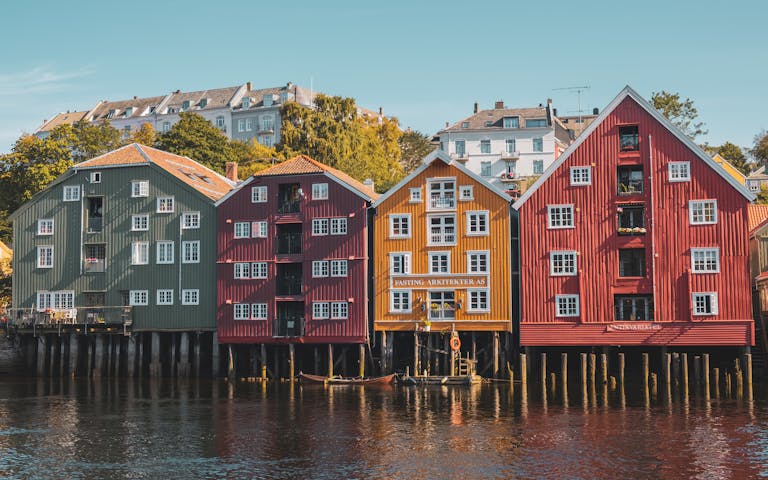
This is the classic Innsbruck photo, a row of colourful houses set against the mountains with the river flowing in front of them. It looks good in almost any season and takes only a short walk from the Old Town. Even if you are not chasing photos, the riverfront gives you a quiet break from the busier streets.
Why it is worth your time
It is one of the most recognisable views in Tyrol and a perfect contrast to the narrow lanes of the Old Town. The mountains line up neatly behind the buildings, which makes it feel like a postcard scene you have seen before arriving.
How long to spend
Ten to fifteen minutes for the viewpoint, a bit longer if you want to walk the river path.
Best time to visit
Morning light is usually best. After heavy rain or snowmelt, the river can turn grey and fast flowing, which still looks dramatic but less colorful.

Imperial Palace and Hofkirche
The Imperial Palace and the Hofkirche sit only a few steps apart and form the most impressive historic complex in Innsbruck. The palace rooms show the influence of the Habsburgs in Tyrol, while the Hofkirche holds Emperor Maximilian’s empty tomb surrounded by striking bronze statues. Even if you are not usually a museum person, the scale and atmosphere make this pair worth a short stop.
Why it is worth your time
You get a quick and clear sense of Innsbruck’s role in imperial history. The two sites complement each other and are close enough to visit efficiently without detouring far from the Old Town.
How long to spend
Thirty to forty minutes if you visit both. The Hofkirche is the faster option if you need to choose one.
Best time to visit
Late morning or early afternoon. Both are fully indoors and make an ideal backup plan if the weather turns.

Bergisel Ski Jump
Bergisel is one of the most interesting viewpoints in Innsbruck because it blends architecture, sport and wide valley scenery in a way you do not get elsewhere in the city. The ski jump sits above the southern edge of Innsbruck and gives you a broad, open view that feels very different from the sharper, high alpine angle at Nordkette. When I visited, I found the overall setting far more memorable than the jump itself, especially once you step beyond the main platform.
Why it is worth your time
The tower was designed by Zaha Hadid and offers a clean, elevated perspective over the city and the northern mountain chain. In my opinion, the panoramic platform and the view behind the stadium are the real highlights. The exhibition inside gives good context if you are interested in the history of ski jumping, but you do not need to be a winter sports fan to enjoy the stop.
How long to spend
Around one to one and a half hours is enough to ride the funicular, walk the viewing platform, follow the short loop behind the jump, and stop for a drink. It fits easily between other activities without taking over your day.
Best time to visit
Late morning or early afternoon usually gives the clearest views. On days when Nordkette is hidden in cloud, Bergisel often still has visibility because it sits lower, which makes it one of the more reliable viewpoints when the weather is unpredictable.
How to get there
Take tram number one to Bergisel station and follow the signed path uphill to the entrance. The funicular takes you straight to the top. Admission is included with the Innsbruck Card.
Local tip
Walk the short path behind the stadium after you finish on the main platform. I found this to be the best viewpoint at Bergisel. It is quieter, wider, and gives you a more natural sense of the valley. Most visitors miss it because they go straight back down.

Ride the Hungerburgbahn
The Hungerburgbahn is the quickest way to get a taste of Innsbruck’s mountain scenery without committing to the full Nordkette ride. It climbs out of the valley in just a few minutes and brings you to a terrace with wide views over the city and river below. The stations designed by Zaha Hadid give the whole ride a modern, sculptural feel that contrasts nicely with the Old Town.
Why it is worth your time
You get a simple, fast viewpoint that works even if your schedule is tight. It is also a good alternative when visibility is too poor to justify paying for the higher cable cars.
How long to spend
Twenty to forty minutes is enough to ride up, enjoy the view, and walk around the terrace.
Best time to visit
Late afternoon is ideal when the city lights start to come on and the mountains turn softer in color.
Tyrolean Folk Art Museum
The Tyrolean Folk Art Museum is one of the most interesting indoor stops in Innsbruck, especially if the weather turns. It focuses on traditional Tyrolean life with restored rooms, woodwork, and detailed displays that show how people in the region lived for centuries. It feels more grounded and less formal than the Imperial Palace, which makes it an easy museum to enjoy even if you are not usually a museum person.
Why it is worth your time
It offers a quick, authentic look at Tyrol’s culture and is one of the most complete folk museums in the region. It is also next to the Hofkirche, so you can visit both without detouring.
How long to spend
Thirty to forty minutes is typical. The exhibits are compact and easy to navigate.
Best time to visit
Great for midday or when the weather pushes you indoors.
Visit the Alpine Zoo
The Alpine Zoo is one of the easiest family friendly activities in Innsbruck. It focuses on animals native to the Alps, so the exhibits feel more meaningful than a typical city zoo. The hillside setting also gives you small viewpoints over the valley as you walk between enclosures.
Why it is worth your time
It keeps children engaged without requiring a long visit and pairs naturally with the Hungerburgbahn.
How long to spend
Around one hour for most families.
Best time to visit
Late morning, since many animals are more active and the paths are quieter before afternoon groups arrive.

Check Out Swarovski Crystal Worlds
Swarovski Crystal Worlds is a playful, art focused attraction located just outside Innsbruck in Wattens. It blends immersive light installations, themed rooms, and outdoor sculptures into an experience that feels more like a modern art park than a museum. It is not essential for every visitor, but it is a unique option if you want something different from the usual historic sites and viewpoints.
Why it is worth your time
The installations are creative and visually striking, and the gardens make it enjoyable in good weather. It also works well for families or anyone who likes contemporary art and design.
How long to spend
Two to three hours, plus travel time.
Best time to visit
Late morning or early afternoon, especially on days when mountain visibility is poor and indoor activities become more appealing.
How to get there
A shuttle bus runs from central Innsbruck, and the ride takes about fifteen minutes.

Hiking and Skiing around Innsbruck
Innsbruck sits between two major mountain chains, so accessing outdoor activities is much easier here than in most Alpine cities. Hiking routes begin just above the city limits, and several panoramic trails are reachable by cable car without demanding fitness levels. In winter, the nearby ski areas offer reliable snow, short transfer times, and a mix of beginner and intermediate terrain. The combination of city base, quick mountain access, and well maintained routes makes Innsbruck one of the most convenient places in Austria for casual hikers and travellers who want to ski for a day without committing to a full resort trip.

Hiking Around Innsbruck
Innsbruck is surrounded by trails that start close to the city and offer views without requiring a full day in the mountains. Most visitors are surprised by how easy it is to reach a ridge or viewpoint with only a short lift ride or a modest climb. The terrain varies from simple balcony paths to more demanding routes that link multiple stations on the Nordkette.
Best easy hikes near Innsbruck
• Zirbenweg A gentle panoramic trail above Igls with sweeping valley views. Accessible, scenic, and perfect if you want mountain atmosphere without steep climbs.
• Seegrube to Hafelekar ridge A short ridge walk at the top of Nordkette that gives you the feeling of being in high alpine terrain with very little effort.
• Arzler Alm A relaxed walk from the Hungerburg area to a classic Tyrolean mountain hut with good food and valley views.
• Lanser See loop A light forest walk near the city’s edge, especially pleasant in summer.
How long to spend
Most easy hikes take between one and three hours depending on your pace and where you start.
When to go
Late spring to early autumn is ideal. Winter hiking is possible, but many trails require proper equipment or lead into ski areas.
For updated trail conditions, lift status, and seasonal closures, check the official Innsbruck hiking page.

Skiing Near Innsbruck
Innsbruck works well as a base for skiing even if it is not a ski resort in the traditional sense. Several ski areas sit within easy reach of the city, each with a different style and level of difficulty.
Nearby ski areas
• Nordkette ski area Very steep and best for advanced skiers.
• Axamer Lizum Reliable snow, wide slopes, and a relaxed atmosphere.
• Kühtai Austria’s highest ski village with good conditions throughout winter.
• Stubai Glacier A longer trip, but excellent if you want guaranteed snow and big mountain views.
How long to spend
A full day is ideal, although Axamer Lizum and Kühtai can work for half days if you start early.
Who it suits
Any skier who wants variety without committing to a single resort. If you prefer gentle slopes, Axamer Lizum is usually the easiest option.

Innsbruck in Winter and Christmas Markets
Innsbruck in Winter
Winter in Innsbruck feels completely different from summer. The city is quieter, the mountains dominate the skyline even more, and the weather often shifts between bright blue skies and low valley fog. Planning your days around visibility becomes essential.
What winter actually feels like
Cold but not extreme, with frequent inversions where the fog sits low while the mountains above are sunny. This is why Nordkette can be magical in winter when the city feels grey.
What to prioritise
Clear days are perfect for cable cars, skiing, and scenic walks. Cloudy days are better for museums, the Old Town, and short rides to Hungerburg for softer views.
Why winter works
It is one of the most atmospheric seasons for Innsbruck, especially if you enjoy alpine scenery, Christmas markets, and cosy evenings.

Innsbruck Christmas Markets
Innsbruck runs several Christmas markets during December, each with a slightly different personality. The Old Town market is the most traditional, framed by narrow lanes and warm lights. Maria Theresien Strasse has a more modern feel with illuminated trees, and the Hungerburg market offers views over the city that few Christmas markets can match.
Why they are worth your time
The markets feel intimate, with local crafts, regional food, and a backdrop of mountains dusted with snow. It is one of the easiest ways to experience Tyrolean traditions in a compact, walkable setting.
How long to spend
One to two hours per market is typical, or a relaxed evening if you want to stroll between several.
Museums, Food and Nightlife in Innsbruck
Innsbruck may be known for its mountains, but the city centre offers a compact mix of culture, food, and evening spots that fit naturally around outdoor plans. Most attractions sit close together, which makes it easy to fill gaps in your day without committing to long visits. This section outlines what you can reasonably expect in the city once you come down from the mountains.
What this section covers:
• Innsbruck museums and how long you need for each
• The local food scene and where people usually eat
• What evenings and nightlife look like in a small Alpine city
Innsbruck Museums Overview
Innsbruck has a small group of museums that are easy to visit and sit close to the Old Town. The three most worthwhile stops are:
- Tyrolean Folk Art Museum
Widely considered the strongest museum in Innsbruck with detailed exhibits on regional life and tradition. - Hofburg Innsbruck
A compact imperial residence with restored halls and clear historical context. - Museum im Zeughaus
A former armoury with accessible regional history displays.
How long to spend:
Most museums take thirty to sixty minutes and work best as short cultural stops or weather backups.rar
Food in Innsbruck
Innsbruck’s food scene is small but reliable, centred on Tyrolean dishes, simple cafés, and a few international choices. Portions are generous and most places offer good value for what you get.
Where to eat
• Stiftskeller Traditional Tyrolean dishes in a classic setting near the Old Town.
• Gasthaus Anich Comfort food, large plates, and a straightforward local atmosphere.
• Dengg Café Bistro A lighter café option with good pastries and casual meals.
Price expectations
Meals sit close to Vienna levels. You can expect moderate pricing, with traditional restaurants slightly higher and cafés slightly lower.
Nightlife and Evenings in Innsbruck
Evenings in Innsbruck are calm compared to larger Austrian cities. The atmosphere leans toward student bars, relaxed pubs, and a few scenic spots rather than nightlife-heavy districts. Most activity sits between the Old Town and the university area, and weekends tend to be the liveliest.
Best for visitors:
• Viaduktbögen A row of casual bars built into the arches of the old railway viaduct.
• Sixty Twenty Bar und Café A popular student spot with low key drinks and a social vibe.
• Dunlin Bar Innsbruck A quieter choice for a drink without the crowds.

Best Time to Visit Innsbruck and How the Weather Works
Innsbruck is technically a year round destination, but the real deciding factor is not temperature, it is visibility. The city sits in a valley that often holds cloud and fog, while the mountains above are either glowing in sun or completely hidden. Planning around that difference matters more than picking a perfect month.
- Summer
Warm, busy, and ideal for hiking, cable cars, and long evenings along the river. - Winter
Cold, atmospheric, and at its best for Christmas markets and skiing. The valley can be grey while the ski areas above are sunny. Even if you do not ski, winter is still worth. - Spring and autumn
Shoulder seasons bring cooler temperatures and fewer crowds. Trails open gradually from late spring and usually stay accessible into October.
Getting Around Innsbruck and the Innsbruck Card
Innsbruck is compact and easy to navigate. Trams and buses run frequently, and most major sights sit within a walkable radius. The Hungerburgbahn and Nordkette cable cars depart directly from the city centre, which makes mountain access straightforward without a car.
Innsbruck Card: Prices and What It Includes
The Innsbruck Card bundles the city’s main transport and attractions into a single pass. Current prices are:
- 24 hours: €49
- 48 hours: €55
- 72 hours: €66
It includes:
• Unlimited public transport within Innsbruck
• Hungerburgbahn and the full Nordkette cable car route
• Entry to major museums including the Imperial Palace, Hofkirche, Alpenzoo, and the Tyrolean Folk Art Museum
• Additional discounts on lifts and activities throughout the region
From my own visits, the card becomes excellent value as soon as you combine Nordkette with one or two museums. The cable car system alone can add up quickly, so having it covered under a fixed cost simplifies planning and budgeting.
How to Buy and Use the Card
You can purchase it at the Tourist Information Centre, at major cable car stations, or online. It activates on first use and is accepted across nearly all key attractions in the city. For more information, check out the official Innsbruck card website.
Welcome Card (Free Alternative)
Travellers staying at partner accommodations receive the Welcome Card, which includes free public transport, selected museum access, and discounts on activities. It does not cover the Nordkette lifts but works well for slower itineraries or longer stays.

How to Get to Innsbruck
How to Get to Innsbruck from Vienna
The train is the simplest and most comfortable option. Direct trains run frequently and take around four and a half hours through scenic alpine valleys. Buses are cheaper but slower, and driving takes about five hours depending on traffic.
Costs and tips
Train prices vary depending on booking time. If you are planning a flexible itinerary, look for discounted early tickets.

How to Get to Innsbruck from Munich
Munich is one of the easiest gateways to Innsbruck. Direct trains take just under two hours and run throughout the day. This connection is also popular for day trips.
Other options
Buses are available, and driving is fast, especially outside peak hours.
Best choice
The train is the most reliable and scenic option for most visitors.

Suggested Innsbruck Itinerary: One Day and Two Day Visit Plans
How to Use These Itineraries
Most travelers (including myself) arrive in Innsbruck with limited time, and the city is unusual because mountain visibility affects what you can realistically see in a single day. During my visits, locals consistently emphasized one thing: plan your day around the sky. These itineraries are built around that principle. They help you choose the best route for one day or two days, whether conditions are clear, mixed, or shifting throughout the day.
Use the outlines below to select the itinerary that matches your timing.
• One Day Itinerary
• Two Day Itinerary

Innsbruck in One Day
Priority Framework
Your day should follow one rule
If the visibility is good, go up the mountain first.
If it is bad, stay in the city and save the views for later.
This is the single biggest mistake travelers make in Innsbruck, and the one that ruins the most trips.
Plan A: Clear Weather
Morning, Go straight to the Nordkette
• Take the Hungerburgbahn from the city centre
• Continue to Seegrube or all the way to Hafelekar if conditions are perfect
• Spend time at the viewpoints before clouds move in
This gives you the signature Innsbruck experience before weather shifts.
Lunch Back in the City
Pick anywhere in the Old Town or Maria Theresien Strasse so you can continue on foot.
Afternoon, Old Town and Hofkirche
Explore the medieval lanes, see the Golden Roof area, and visit the Hofkirche.
If you want a broader valley view later, Bergisel works well at this point.
Evening
Walk the riverfront or choose a Tyrolean restaurant in the Old Town.
Plan B: Cloud, Fog, or Low Visibility
Morning, Old Town First
Walk the historic centre, visit the Hofkirche, and continue to the river viewpoint.
Late Morning or Midday, Choose a Museum
• Tyrolean Folk Art Museum
• Imperial Palace
• City Museum if you prefer something quieter
Afternoon
If the sky opens even partially, ride the Hungerburgbahn for a quick viewpoint.
If weather stays poor, swap in Bergisel. Its panoramic platform works even in mixed conditions.
Evening
Warm cafés, river walk, or traditional dinner depending on energy.
Innsbruck in Two Days
Two days let you combine the essentials with one deeper experience.

Day One: The Core Innsbruck Experience
Morning
Prioritise Nordkette if visibility is good.
If skies are low, begin with Old Town and the Hofkirche.
Midday
Lunch in the centre and one museum.
Afternoon
Bergisel for the broader perspective over the valley.
If you already visited Bergisel, walk the university quarter and riverbanks.
Day Two: Choose Your Focus
Instead of trying to “do everything,” choose one anchor activity and shape the rest of the day around it.
Option A: Half Day Hike (Warmer Months)
Zirbenweg is the classic choice if lifts are running.
Alternatively, take the Nordkette to Seegrube and walk one of the panoramic trails across the ridge.
Option B: Swarovski Crystal Worlds (All Year)
Ideal in mixed weather or if you prefer indoor experiences.
Plan for two to three hours including transport.
Option C: Ski Area Visit (Winter)
Patscherkofel, Axamer Lizum, or Nordkette depending on skill level.
If you are not skiing, the mountain restaurants still offer great views.
Late Afternoon and Evening
Return to the city, walk along the Inn, and spend time around the smaller squares and cafés near the university area, which gives you a different feel from the Old Town.
Final Thoughts on Things to Do in Innsbruck
Innsbruck is one of the easiest cities in Europe to understand once you see how tightly the Old Town and the mountains fit together. The historic centre gives you short, meaningful stops, and the cable cars open the door to views that feel far bigger than the size of the city. Most visitors only need a day or two, and that is enough to see the highlights as long as you plan around visibility and decide early which viewpoint or museum matters most to you.
If you enjoy a simple mix of culture, scenery, and light outdoor activity, Innsbruck fits that rhythm better than almost anywhere in the region. Clear days belong to Nordkette or Bergisel, cloudy days belong to the Old Town and museums, and evenings belong to relaxed restaurants and river walks. It is a compact city that rewards anyone who likes efficient travel, quick decisions, and days shaped more by clear skies than long itineraries.
If you are exploring more of the country, you can continue with my Austria travel hub, where you will find day trips, alpine towns, and practical guides that pair well with an Innsbruck visit.

Frequently Asked Questions About Innsbruck
Is Innsbruck worth visiting for one day?
Yes. One full day is enough to see the Old Town, visit the Golden Roof, and ride either the Hungerburgbahn or the Nordkette cable car. If visibility is good, prioritise Nordkette in the morning and fit the Old Town around it.
Is Nordkette worth it if the weather is bad?
Only partly. If the peaks are hidden in clouds, the upper stations lose most of their views. On low visibility days, switch to the Old Town, museums, and the Hungerburgbahn, which still offers softer valley views.
What is the best time of year to visit Innsbruck?
Summer is best for hiking and long evenings. Winter is ideal for skiing and Christmas markets. Spring and autumn are quieter and cooler, but some hikes may open later or close earlier depending on snow.
How many days do you need in Innsbruck?
One to two days is enough for most visitors. A longer stay works well if you want to hike, ski, or explore nearby alpine valleys.
Do you need a car in Innsbruck?
No. The city is small, and trams, buses, and cable cars cover almost everything. A car is only useful if you plan to visit remote ski areas or smaller villages.
Is the Innsbruck Card worth it?
Usually yes, especially if you plan to ride the Nordkette cable car and visit at least one museum. The card includes public transport, several attractions, and the full cable car route.
Can you ski directly from Innsbruck?
Yes, but only if you are an advanced skier. Nordkette has steep terrain and is not ideal for beginners. Families and casual skiers usually prefer Axamer Lizum, Kühtai, or Stubai Glacier.
Are the Christmas markets good in Innsbruck?
Yes. They are atmospheric, walkable, and set against mountain views. The Old Town market is the most traditional, while the Hungerburg market offers the best viewpoint.
Is Innsbruck expensive?
It is similar to Vienna in pricing. Food and accommodation are not cheap, but they are usually good value. Cable cars are the main higher cost activity.
What is the best viewpoint in Innsbruck?
For the full panorama, Hafelekar at the top of Nordkette is unbeatable. For a quick and easy view, the Hungerburgbahn terrace is the simplest option.