Vienna to Melk Day Trip, A Complete Guide to Visiting Melk Abbey
If you’re in Vienna for a few days and reach the point where you want a simple escape that doesn’t involve early trains or complicated planning, going from Vienna to Melk is exactly that. It’s close, it’s easy, and it gives you one of the most dramatic monastery interiors in Austria without asking much from you.
I live in Vienna and travel around the country a lot, so I’m always looking for quick trips that actually feel worth it. Melk fits that category well. It’s not the most mind-blowing place you’ll ever see, and there’s not a long list of things to do in town, but the abbey is impressive enough to justify the journey. The train ride’s smooth, the visit’s relaxed, and the views over the Danube make the whole experience feel bigger than it is.
When I went, I kept the planning minimal and still ended up with a calm, interesting day that felt like a real break from Vienna. If you want something close, easy, and architecturally over-the-top in a good way, Melk’s a very solid choice.
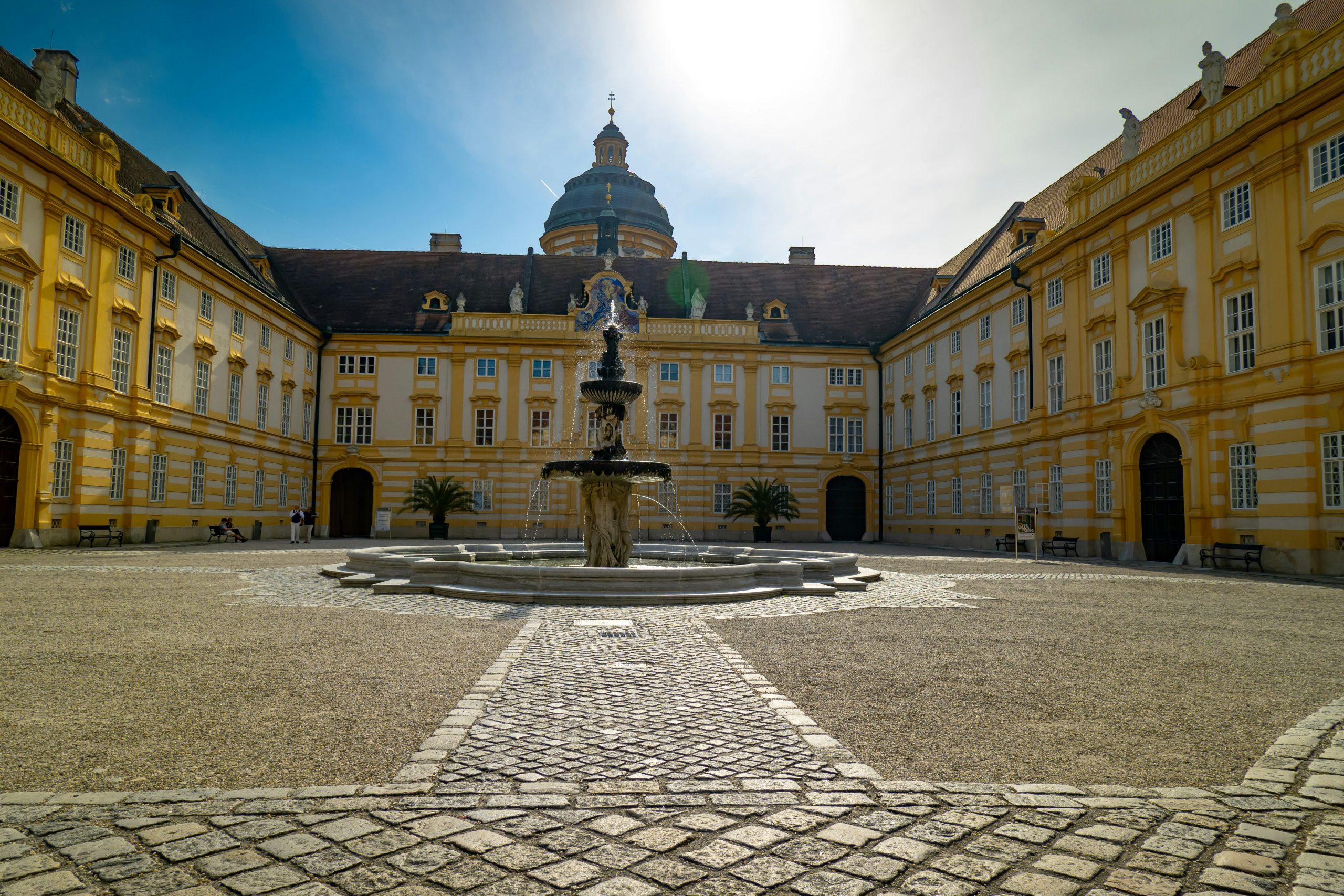
Quick Facts: Vienna to Melk Day Trip
- Ideal Duration: Full day, usually 9 a.m. to 6 p.m.
- Travel Time: About one hour each way, usually with a transfer at St. Pölten
- Train Route: Vienna to St. Pölten, then to Melk
- Train Operators: ÖBB and Westbahn
- Main Attraction: Melk Abbey, a large Baroque monastery with a museum, library, and gardens
- Location: Lower Austria, at the western end of the Wachau Valley
- Best Season: Spring to fall, roughly April to October
- Budget Range: About €25 to €35 for train tickets and abbey entry
- Best For: Architecture, calm walks, light sightseeing, and history-focused travelers

How to Get from Vienna to Melk
You can reach Melk from Vienna by train, boat, or car, and each option is simple in its own way. Most people take the train because it’s quick, reliable, and runs often throughout the day. A boat trip is possible in the warmer months and gives you a scenic ride through the Wachau Valley, while driving works well if you want to make a few extra stops along the way.
Quick overview of your options:
• Vienna to Melk by train: fastest and easiest for most travelers
• Vienna to Melk by boat: seasonal and scenic, great in spring and summer
• Vienna to Melk by car: flexible route if you want to explore the Wachau Valley
• Guided tour: convenient all-in-one option if you prefer a structured day
I’ve done this trip myself and found the transport surprisingly easy. The routes are well signposted, tickets are straightforward, and everything runs on a predictable schedule. It’s one of the reasons Melk works so well as a relaxed break from the city. If you’re comparing ideas, you can check my guide to the 15 best day trips from Vienna for other simple escapes that follow the same no-stress pattern.
Vienna to Melk by Train
In my opinion, taking the train is the easiest and most reliable way to travel from Vienna to Melk. Trains run frequently throughout the day, and most routes take about an hour with a quick transfer at St. Pölten. This is the route I used myself, and it’s exactly as straightforward as it sounds.
Quick Details
• Travel time: about 1 hour with a transfer at St. Pölten
• Typical price: around €15 to €20 each way
• Operators: ÖBB and Westbahn
• Departure stations: Wien Hauptbahnhof or Wien Westbahnhof
You can take either ÖBB (the national rail operator) or Westbahn for the first part of the journey. Most travelers choose ÖBB since they also run the regional line from St. Pölten to Melk, which makes the switch simple. Westbahn can be cheaper for the Vienna to St. Pölten leg, but you’ll still transfer to an ÖBB regional train for the final stretch. Both companies list real-time schedules and prices on their websites, so it’s easy to compare options before you go.
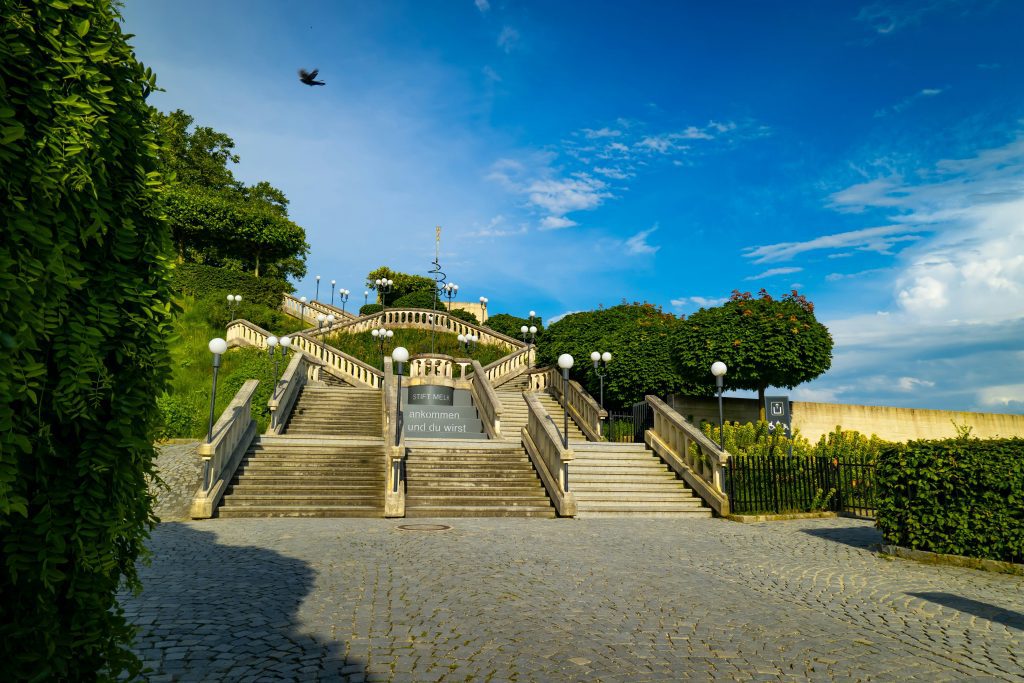
I’ve done this journey without any advance planning, and it’s as easy as it looks. Trains tend to be on time, transfers are well signed, and the connection at St. Pölten usually takes only a few minutes. Once you arrive in Melk, it’s about a ten-minute walk through the old town to the abbey entrance.
If you want to check schedules or book a ticket, you can do it directly through the ÖBB website or the Westbahn website.

Vienna to Melk by Boat
Taking a boat from Vienna to Melk is a scenic option during the warmer months, especially if you want to see part of the Wachau Valley from the water. Boats don’t run year-round, so this isn’t something you can do in winter, but from spring to early fall you’ll find a few operators offering routes along the Danube.
Most cruises aren’t direct from Vienna. A common approach is to take the train to Krems or another nearby town, then board a boat that sails through the best stretch of the Wachau Valley before reaching Melk. It’s slower and more expensive than the train, but if you’re in the mood for a relaxed day on the river, the scenery makes it worthwhile.
If you like the idea of boat trips from Vienna in general, the route to Bratislava is another good choice. It’s a fast, direct ride and works well as a full-day outing in summer. You can compare it with my guide to the Vienna to Bratislava day trip if you want to see how the two experiences differ.
Vienna to Melk by Car
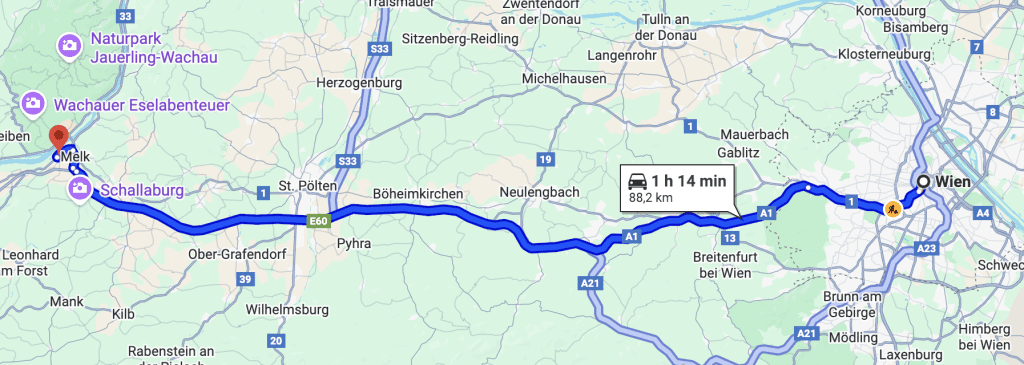
Driving from Vienna to Melk is straightforward and works well if you want more flexibility than the train or plan to explore other parts of the Wachau Valley. The drive takes about an hour and follows the A1 motorway for most of the way, so navigation is simple and the road conditions are good.
Once you reach Melk, you’ll find several paid parking areas near the abbey and around the old town. From there, it’s a short walk up to the monastery. If you’re planning a longer day that includes spots like Krems, Dürnstein, or other towns along the Danube, having a car makes it easy to move between places without relying on timetables.
This option makes the most sense if you already have a rental car or want to explore more than just Melk Abbey. If Melk is your only destination, the train is usually quicker, cheaper, and less effort.
Vienna to Melk Tours
If you prefer a guided experience or want to see more than one place in the Wachau Valley without organizing the logistics yourself, joining a tour from Vienna can make the day easier. Most tours include transport to Melk, entry to Melk Abbey, and a couple of stops in nearby towns such as Dürnstein or Krems. Some also add a Danube boat cruise during the warmer months.
I’ll be upfront. I’ve never taken a tour to Melk, and I generally don’t use guided tours for day trips. I live in Vienna, and I prefer doing these routes on my own because the train is simple, the timing is flexible, and it’s usually the cheapest option. For me, the price of a guided tour doesn’t feel necessary for a destination that’s this easy to reach independently.
That said, tours absolutely make sense for certain travelers. If you’re short on time, want a structured itinerary, or prefer having transport and tickets handled for you, a guided tour removes all the planning. Some travelers genuinely enjoy the commentary and the all-in-one format. There’s nothing wrong with choosing convenience when your trip is short.
A tour makes the most sense if you want to see multiple Wachau Valley towns in a single day. If your main goal is simply to visit Melk Abbey, traveling independently by train is faster, cheaper, and more flexible.
What to See in Melk, Austria
Melk is small, calm, and easy to explore in a single day, and almost everything revolves around its famous abbey. I spent the day checking out every major part of the town, and even with a relaxed pace, I saw all the highlights without rushing. Melk Abbey is the clear centerpiece, but the old town, gardens, viewpoints, and short riverside walk all add up to a simple and genuinely enjoyable day.
Main places to see in Melk:
• Melk Abbey, the centerpiece of the town
• Abbey Library and Museum, inside the abbey complex
• Abbey Church, also part of the abbey visit
• Abbey Gardens and terrace views, surrounding the main building
• Old Town Melk, a small but pleasant historic center
• Danube Riverside Walk, a quiet path near the water
Melk Abbey
Melk Abbey is the reason almost everyone visits the town, and it’s genuinely impressive the moment you see it. The complex sits on a hill above the Danube and looks more like a royal residence than a monastery. Inside, the layout is easy to follow, and the entire visit feels structured without being rushed. I spent most of my time here, and it’s absolutely the highlight of the trip.

Abbey Library and Museum
The library is one of the most memorable parts of the abbey. You can’t take photos, which I actually appreciated because it forces you to focus on the details instead of your camera. The Baroque design, the manuscripts, and the atmosphere make it worth visiting even if you’re not a big “library person.”
The museum rooms leading toward the library offer a calm overview of the abbey’s history. They’re well presented and easy to move through at your own pace. This was by far my favorite part, it really is stunning.
Abbey Church
The church is the most ornate part of the entire complex. Gold detailing, ceiling frescoes, and dramatic artwork make it one of the most visually intense spaces in Austria. You don’t need long here, but it leaves a strong impression. Even if you’ve visited a lot of European churches, this one stands out.

Abbey Gardens and Views
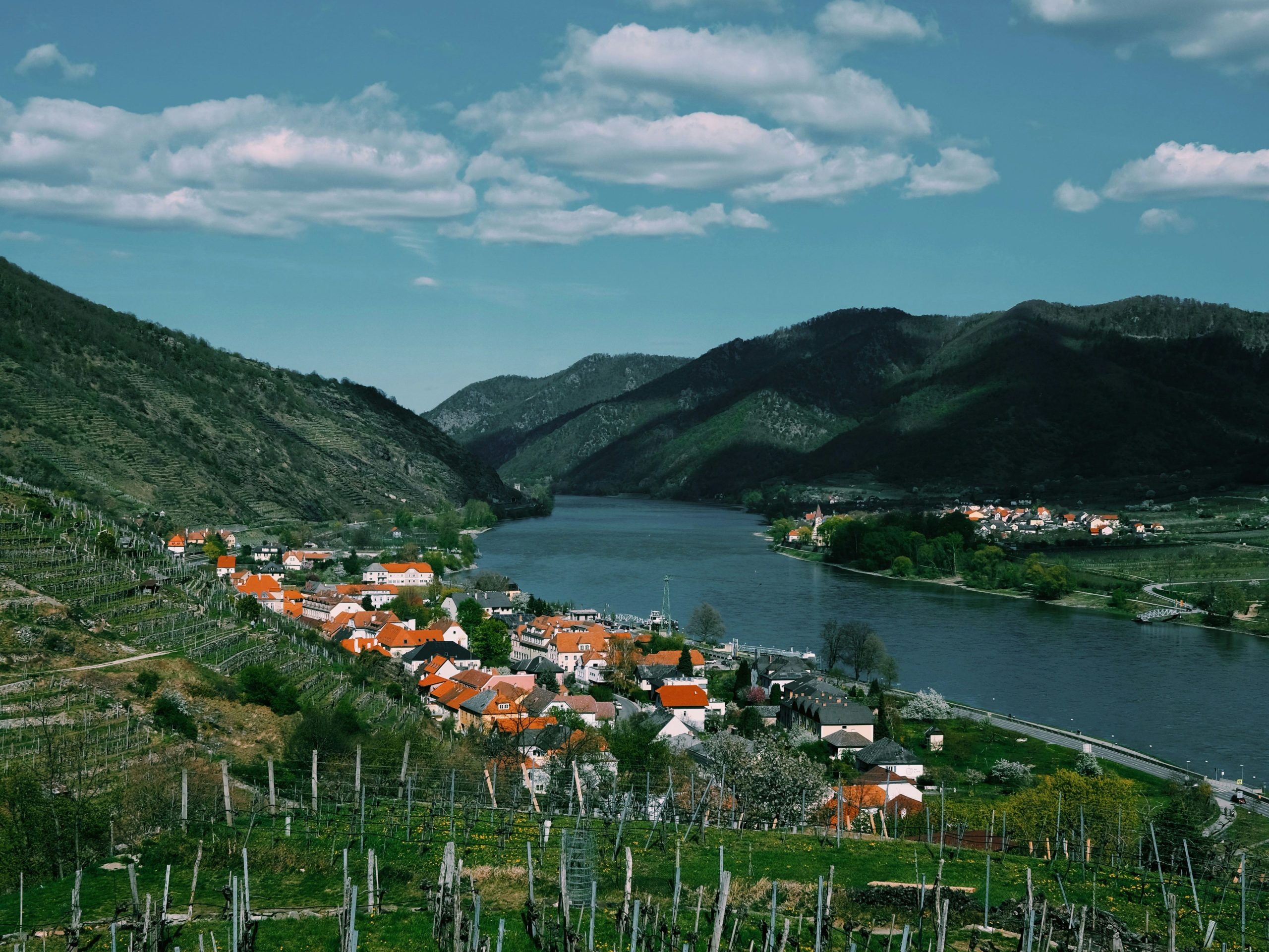
The gardens aren’t huge, but they’re peaceful and well-maintained, especially in spring and summer. The best part is the hilltop setting above the Danube. Several viewpoints look out over the river and the surrounding landscape, making this a nice place to slow down for a few minutes before or after your abbey tour.

Old Town Melk
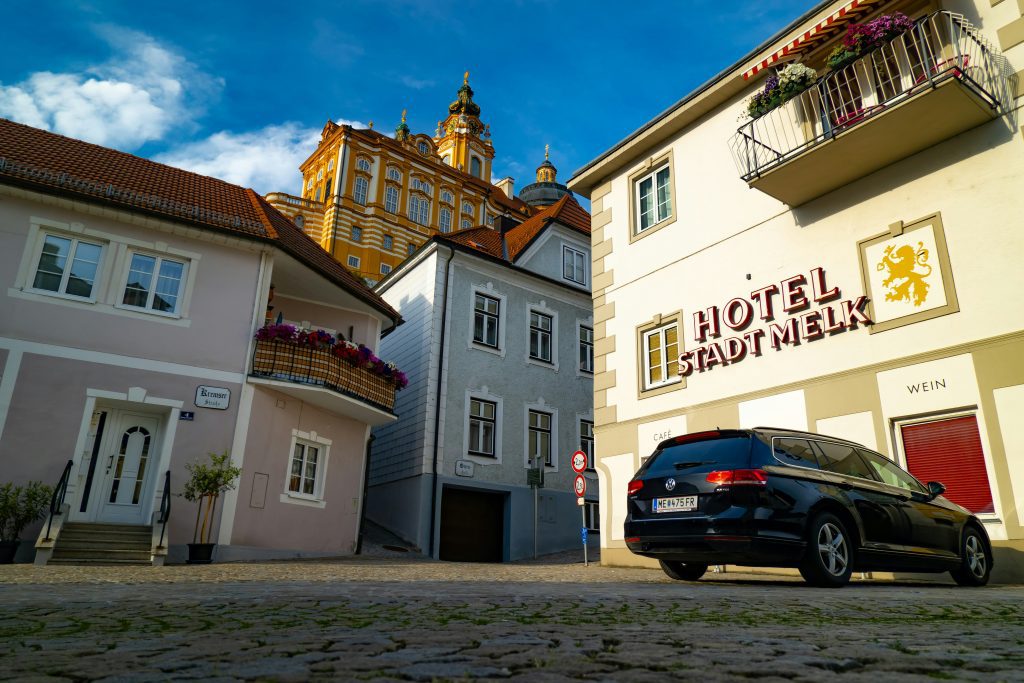
Old Town Melk is compact and easy to explore. You’ll walk through it on your way up to the abbey, so you don’t need to plan extra time unless you want to stop for a coffee or take a short stroll. The buildings are tidy, the main street is calm, and it adds the right amount of charm to the overall visit.
Danube Riverside Walk
After touring the abbey, I walked down toward the river for a quieter change of pace. The riverside path is short, but it gives you open views of the Danube, passing boats, and a peaceful stretch of water. It’s not a major attraction, but it rounds out the visit nicely and gives you a different angle of the town.

How Much Time You Need in Melk
Melk is one of the easiest day trips you can do from Vienna, and you don’t need a full day to see the main sights. Most travelers spend three to four hours in the town, and that’s enough time to visit the abbey, walk through the old town, and take a short stroll by the river.
I spent a relaxed afternoon here and still saw everything without rushing. The abbey itself takes around ninety minutes to two hours, depending on how long you want to spend in the museum rooms, the library, and the church. The gardens add another fifteen to twenty minutes, and the old town is compact enough to explore in a short loop on your way back to the station.
If you plan your day well, you can arrive late morning, have lunch in town, visit the abbey, and be back in Vienna by early evening. The only reason to stay longer is if you want to combine Melk with other parts of the Wachau Valley, such as Dürnstein or Krems, or if you want a slower, more scenic day.
Best Time to Visit Melk
Melk is enjoyable in every season, but the experience changes quite a bit depending on when you go. The abbey is open year-round, though some areas and garden sections feel more complete in the warmer months. I’ve visited in fair weather, and the views over the Danube and the outdoor paths made the whole visit feel more relaxed.
Spring and summer are the most popular times. The gardens are open, the colors are bright, and the Wachau Valley looks its best. This is also when you can combine your visit with a boat trip, which adds a scenic touch you won’t get in winter.
Autumn is a great shoulder-season option. The crowds drop, the weather stays mild, and the valley gets a nice mix of colors. It still feels lively without being busy.
Winter is the quietest time to visit. You lose the gardens and boat options, and some outdoor areas feel less inviting, but the abbey interiors are still impressive. If you want a peaceful day without many tourists, winter works well as long as you’re prepared for colder weather and shorter daylight hours. If you want a sense of what winter in the capital actually feels like before planning your day trip, you can check my guide to the best things to do in Vienna in December.
If you want the “classic” Melk experience with views, flowers, and an easy walk outside, aim for April to October. If you prefer calm and don’t mind a more limited outdoor experience, winter gives you a quiet version of the same day trip.

Conclusion: Is Melk Worth Visiting?
Melk is a simple, beautiful, and low-effort day trip from Vienna, and the abbey alone makes it worth the journey. The interiors are impressive, the views over the Danube are memorable, and the whole visit feels calm compared to busier Austrian destinations. Outside the abbey, the town is small, but it adds the right amount of charm without asking much from you.
For me, the trip was absolutely worth it because it’s close, easy, and doesn’t require much planning. If you want a peaceful escape with one standout highlight, Melk is a great choice. If you prefer a fast-paced itinerary or a destination with endless activities, there are better options, but for a relaxed cultural outing, Melk does exactly what it promises.
If you want to explore more of the country beyond Vienna, you can browse all my Austria guides on the Austria hub page.
Can you visit Melk Abbey without a guided tour?
Yes, you can visit Melk Abbey on your own for most of the year. The museum rooms, library, church, and terrace are open to self-guided visitors. In the quieter winter months, some dates switch to guided tours only, so it’s worth checking the official schedule before you go.
How far is the walk from Melk train station to the abbey?
It’s about a ten-minute walk from the station to the abbey, and most of it is uphill. The route is straightforward and signposted, and you’ll get a great first view of the abbey as you approach.
Is Melk worth visiting in winter?
Yes, as long as you know what to expect. The abbey interiors are still impressive, and crowds are minimal, but the gardens and outdoor areas are limited and boats don’t run. If you want a quiet, easy cultural day trip close to Vienna, winter works well.
How long do you need for Melk Abbey?
Most people spend ninety minutes to two hours inside the abbey. That gives you enough time for the museum rooms, the library, the church, and the terrace views. If you want to stroll the old town afterward, add another thirty minutes.
Are the Melk Abbey gardens open year-round?
The gardens are open in spring, summer, and early autumn. They close in winter, though you can still visit the abbey interiors and the main terrace. If the gardens are important to you, aim for April through October.