What to Visit in Luxembourg City
If you’re asking what to visit in Luxembourg City, you’re not alone, I had the same question before I went. Online lists make it sound simple, but most of the city’s best spots are hidden in plain sight. The views that stay with you, the fortress paths that make the place feel alive, the quiet lower valley where the streets open up, these aren’t always obvious unless you know where to look. I walked the Corniche, the Casemates, the upper town, and the Grund myself.
The difference between wandering aimlessly and actually experiencing the city? It came down to having a clear plan. This guide cuts through the noise and helps you focus on what matters, with real answers to the questions people actually ask before visiting.
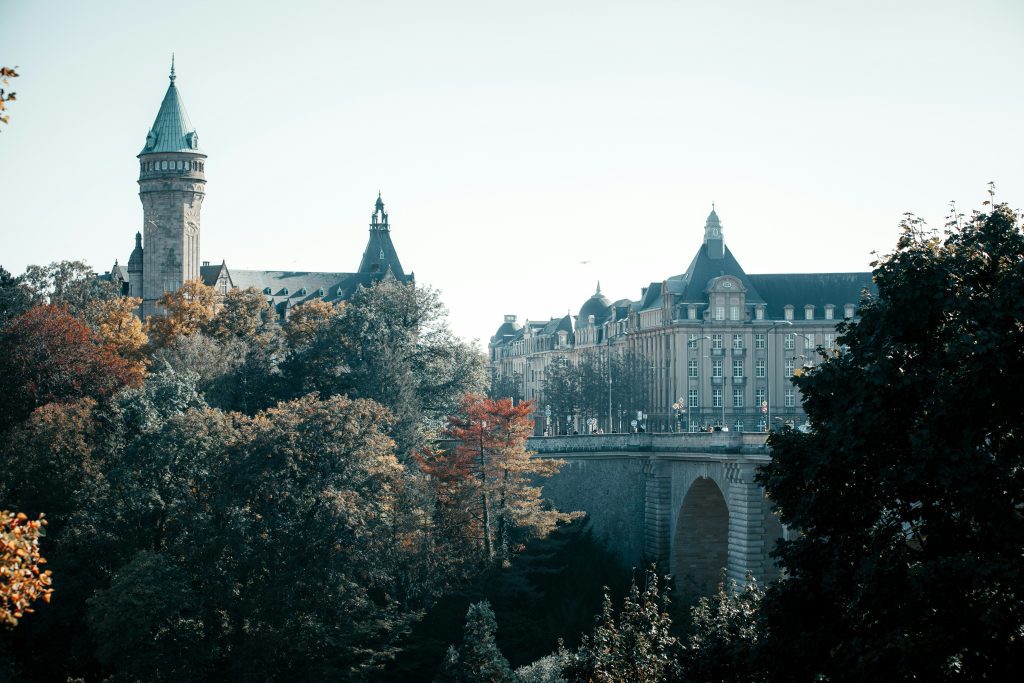
The 7 Essential Sights of Luxembourg City
If you want to know what to visit in Luxembourg City without scrolling through endless lists, start with these seven places. I chose them based on my own visit, official tourism sources, and the landmarks that come up again and again in forums, guidebooks, and real reviews. Together, they give you the views, the fortress history, and the old town atmosphere that define the city.
These are the places that make Luxembourg worth visiting. They form the backbone of any meaningful visit, whether you have one day or more.
Bock Casemates
The Bock Casemates are the single most essential place to visit in Luxembourg City. These underground tunnels cut through the rock above the Alzette Valley and reveal exactly why the city earned the nickname “Gibraltar of the North.” Step inside, and you’ll find panoramic views over the Grund that no other viewpoint can match. Before I went, everyone told me this was the one place you absolutely can’t skip, and they were right.
Note: The Casemates aren’t open all year. They usually close from November to March, so check the official tourism website for current hours before you go.
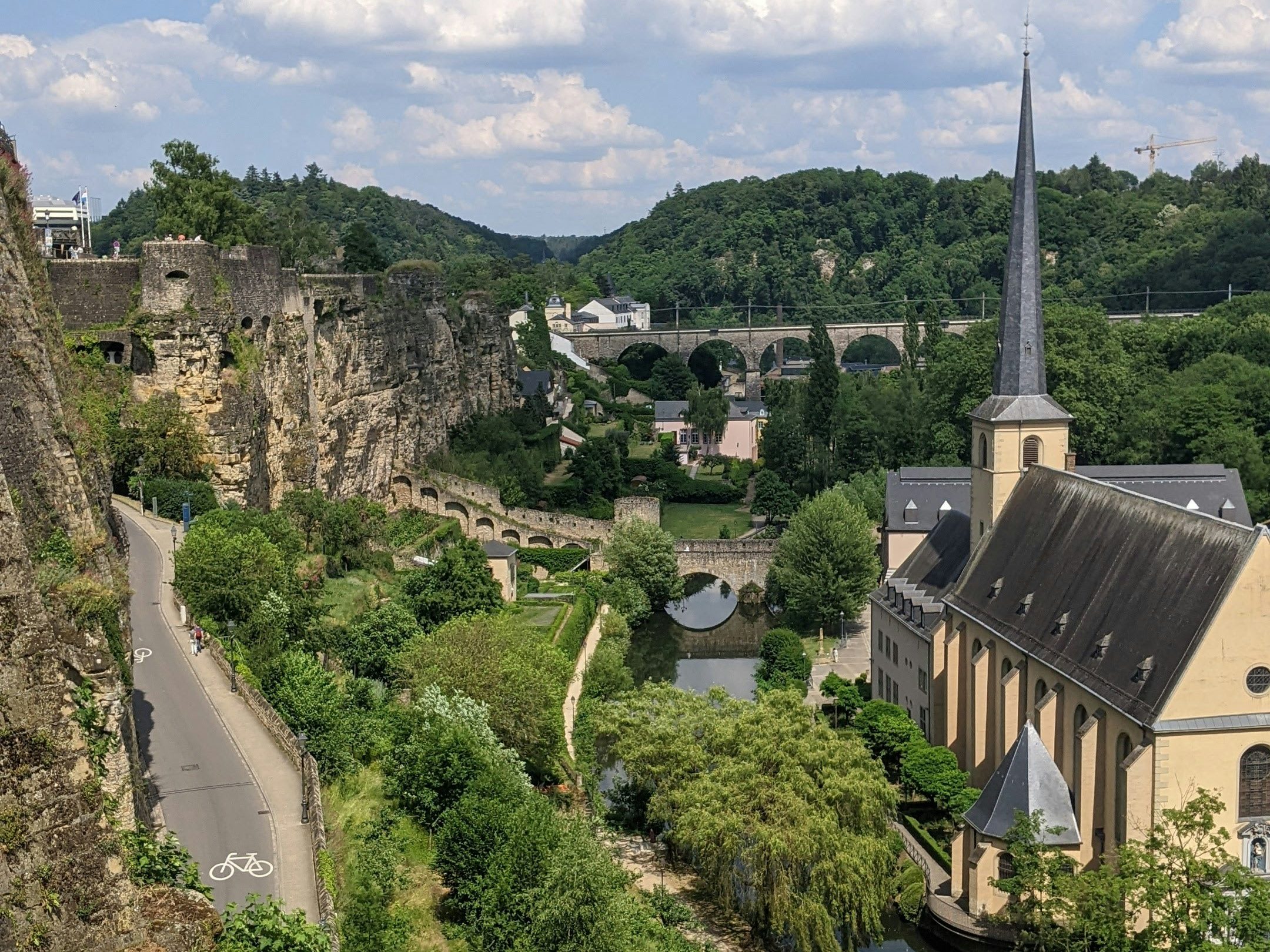
Chemin de la Corniche
The Chemin de la Corniche is the cliffside path often called the most beautiful balcony in Europe. It was the first place I walked after arriving, and it immediately showed me what makes Luxembourg so cool. From here, you can see the Alzette Valley, the river, the rooftops of the Grund, and the layered fortress walls that give the city its character.
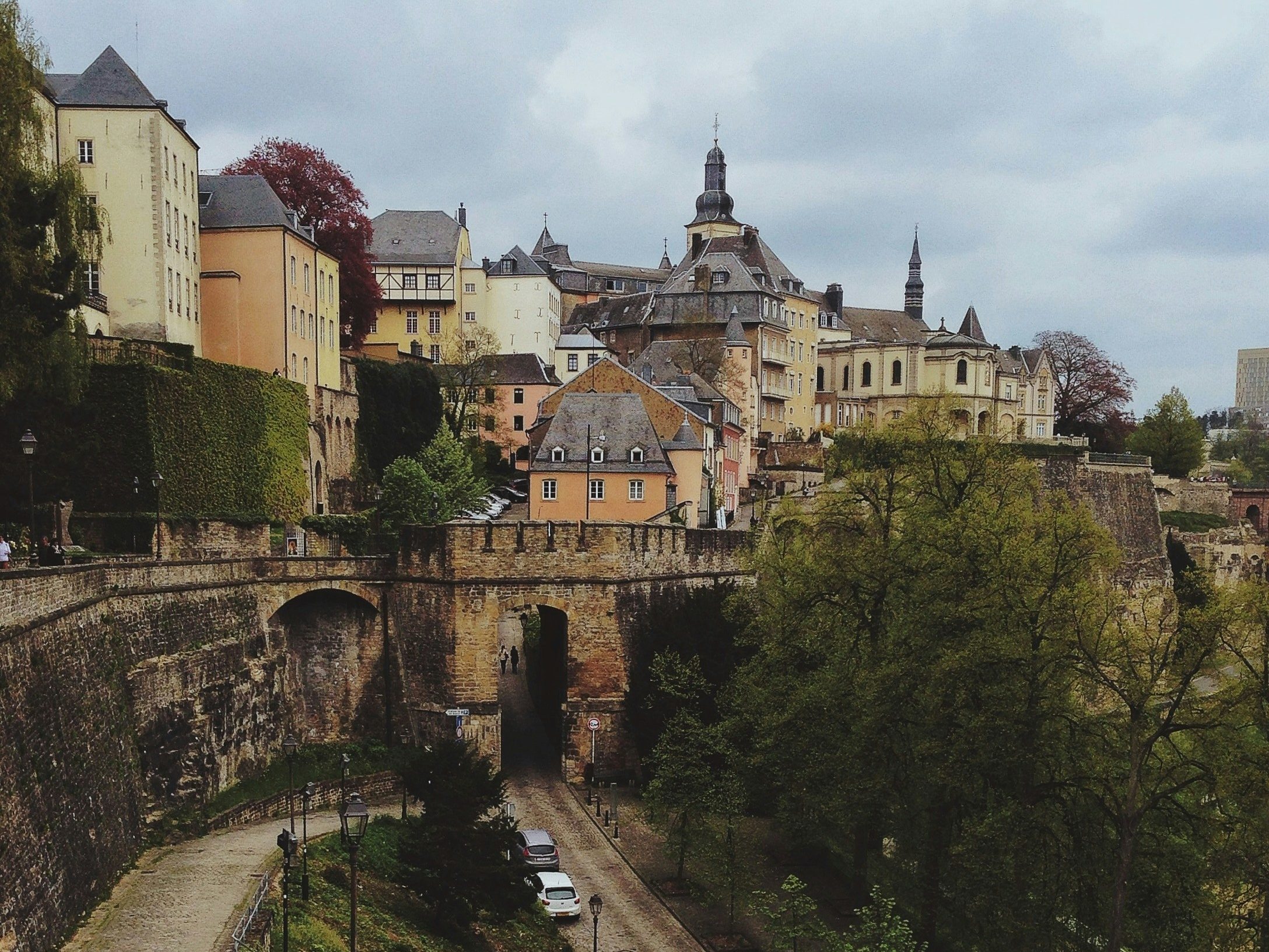
The Grund District
The Grund sits below the old town and feels like a completely different world. I walked down from the Corniche and immediately got why it stands out. Quiet stone streets, ivy-covered houses, bridges over the Alzette, and barely any traffic. It’s calm in a way the upper town isn’t. If you’re short on time, this is where you feel the contrast that defines Luxembourg.
You can reach the Grund on foot, like I did, or take the public elevator tucked behind the Montee de Clausen. Either way, it’s worth going down just to look back up. The views from below give you a completely different sense of how the city is built. The upper and lower towns aren’t just neighborhoods. They’re layers. If you want to really understand Luxembourg’s layout, this is where it clicks.

Notre Dame Cathedral
Notre Dame Cathedral is small, elegant, and right in the center of the upper town. It’s one of Luxembourg City’s most recognisable landmarks, with tall spires that rise above the skyline. You don’t need long here, but it’s worth stepping inside. The stained glass and vaulted ceilings give it real presence, and its location makes it an easy stop between major viewpoints.
Grand Ducal Palace and Palace Square
The Grand Ducal Palace is only open for interior visits during a short summer window, but even from the outside, it captures the scale and elegance of Luxembourg’s historic center. The architecture is refined without being over the top, and the quiet presence of the guards adds just enough formality to remind you it’s still in use. Right in front is the Palace Square which is a nice place to relax in before heading toward the Casemates or the Corniche.
Adolphe Bridge and the Petrusse Valley
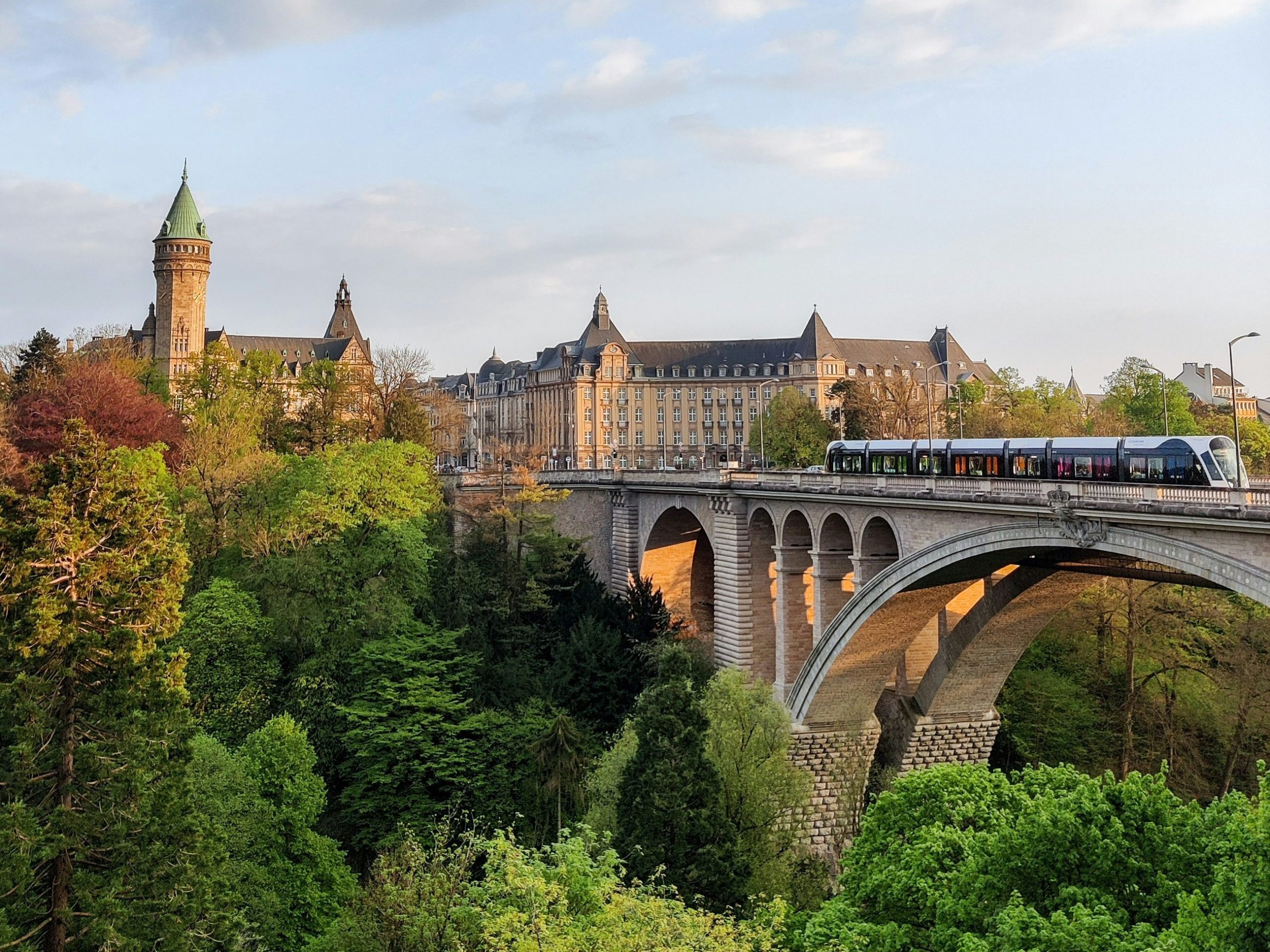
This bridge connects the Ville Haute with the Gare district and is one of Luxembourg City’s signature scenes. I viewed it from both street level and the valley paths, and the arches are far more impressive from below. The area also offers some of the quietest green spaces in the city.
One Key Museum
Most people only have time for one museum in Luxembourg City, and picking the right one makes the visit smoother.
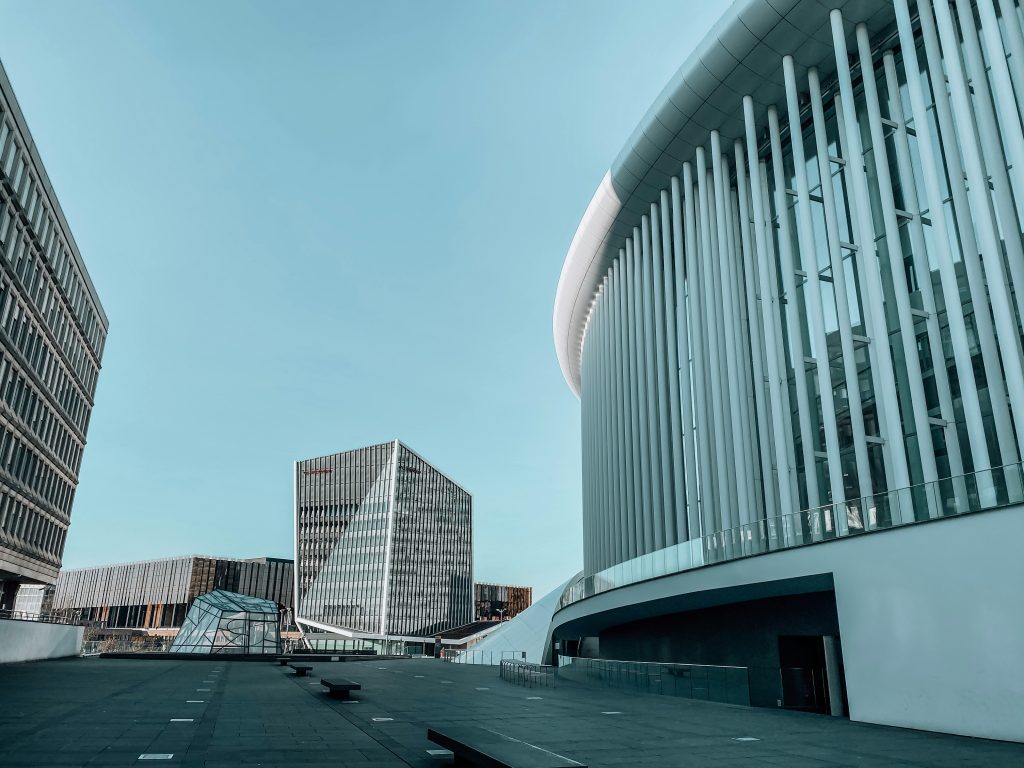
• MUDAM shows world-class contemporary art in a bold modern building.
• Dräi Eechelen focuses on the fortress system and gives solid historic context.
• Luxembourg City Museum offers the clearest overview in the least amount of time, and I found it the most interesting.
Pick based on your interests. You don’t need more than one.

Scenic Walks and Viewpoints That Define the City
One thing that really surprised me about Luxembourg City was how much of the experience happens between the actual sights. The city’s built across cliffs and valleys, so even a short walk turns into something scenic. You don’t just go from place to place. The way you get there ends up being half the point. Sometimes it’s even better than the thing you were walking to.
The Viewpoints and Valleys That Shape Luxembourg City
• The cliff edges above the Alzette Valley, where you see how the fortress was carved directly into the rock
• The quiet green paths in the Petrusse Valley, often overlooked but ideal for seeing the city from below
• The bridges and connecting paths, where you move between the upper town and the valley and get changing angles every few minutes
• The riverside routes in the lower town, which show the contrast between the dramatic cliffs and the calm water
What First Time Visitors Usually Miss
A lot of people hit the big sights and skip the paths in between. But those walks are what actually make the city click. You feel the height, the layout, the weird charm of a place that was never flat or easy. If you want to understand Luxembourg City, you don’t just need a list. You need to walk it.
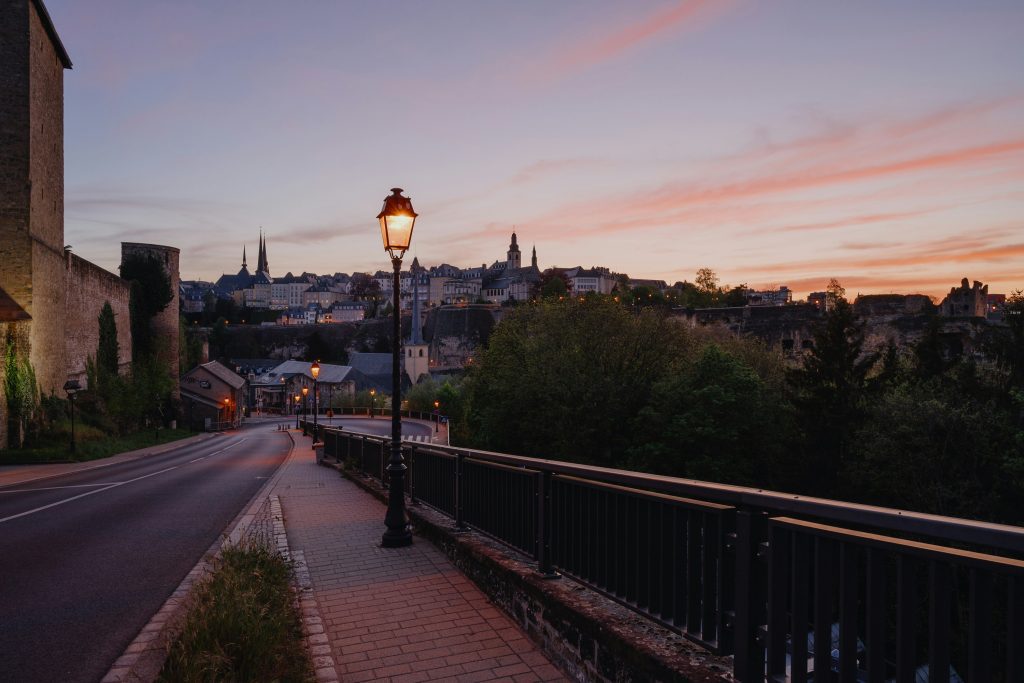
Is One Day Enough to Visit Luxembourg City?
I spent a weekend in Luxembourg City, but one well-planned day was enough to see the main highlights. Before I went, I kept coming across the same question online, is one day really enough? After walking the upper town, the Casemates, the Corniche, and the Grund in a single day, I saw why people ask. The historic center is compact, easy to get around, and most of what you’ll want to see is surprisingly close together.
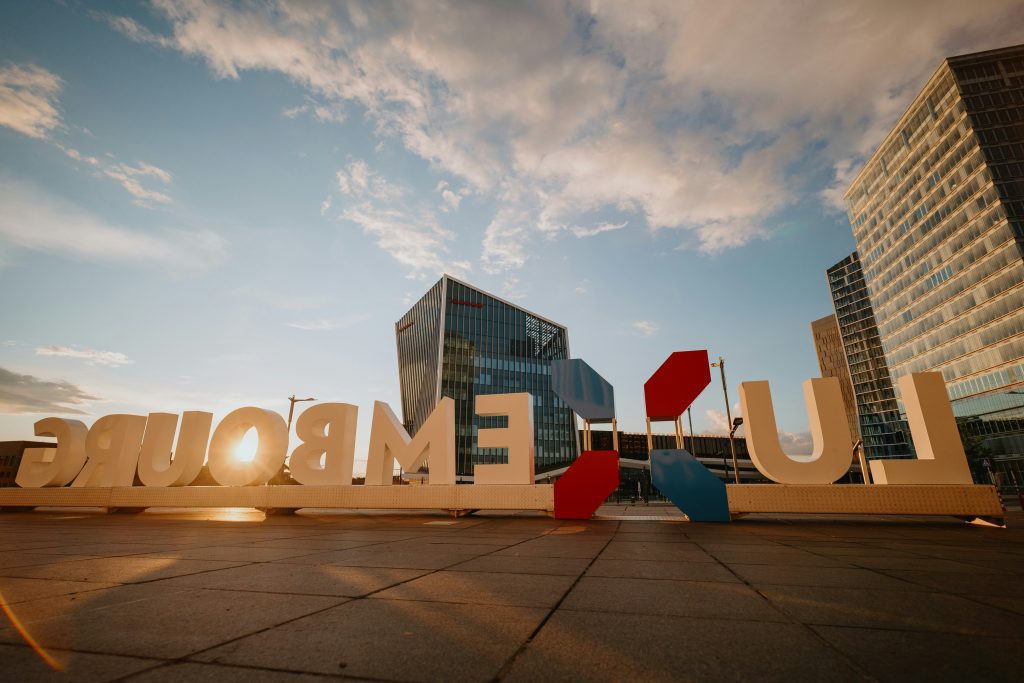
What makes it manageable is how naturally the city connects. The viewpoints, fortress paths, and lower town are all linked by walkable routes, so you’re not wasting time zigzagging or figuring out public transport.
That said, you might want more time. If you’re into museums or prefer to slow things down with long café breaks, adding an extra half day is a good call. I had a second day for a nearby day trip, which made the weekend feel full without being rushed. But if you’re working with limited time, one solid day will give you a complete and memorable intro to the capital.
What a One Day Visit Usually Looks Like
• Upper town viewpoints and the Corniche in the morning
• Bock Casemates shortly after opening
• A walk into the Grund and the riverside paths
• Afternoon views from the valley or a visit to one museum
• Early evening back in the upper town for dinner or sunset views
How to Avoid Missing Key Spots
Luxembourg City rewards a simple route. Follow the cliff edge first, then descend to the valley, and finish back in the centre. The free public transport helps if you prefer to avoid some of the uphill paths, but most visitors find the walking straightforward.
When One Day Is Not Ideal
• If the Casemates are closed for seasonal maintenance
• If you are visiting during heavy rain
• If you want to combine the city with Vianden or the Mullerthal on the same day
In those cases, splitting the trip or adding an extra day gives you a better experience.
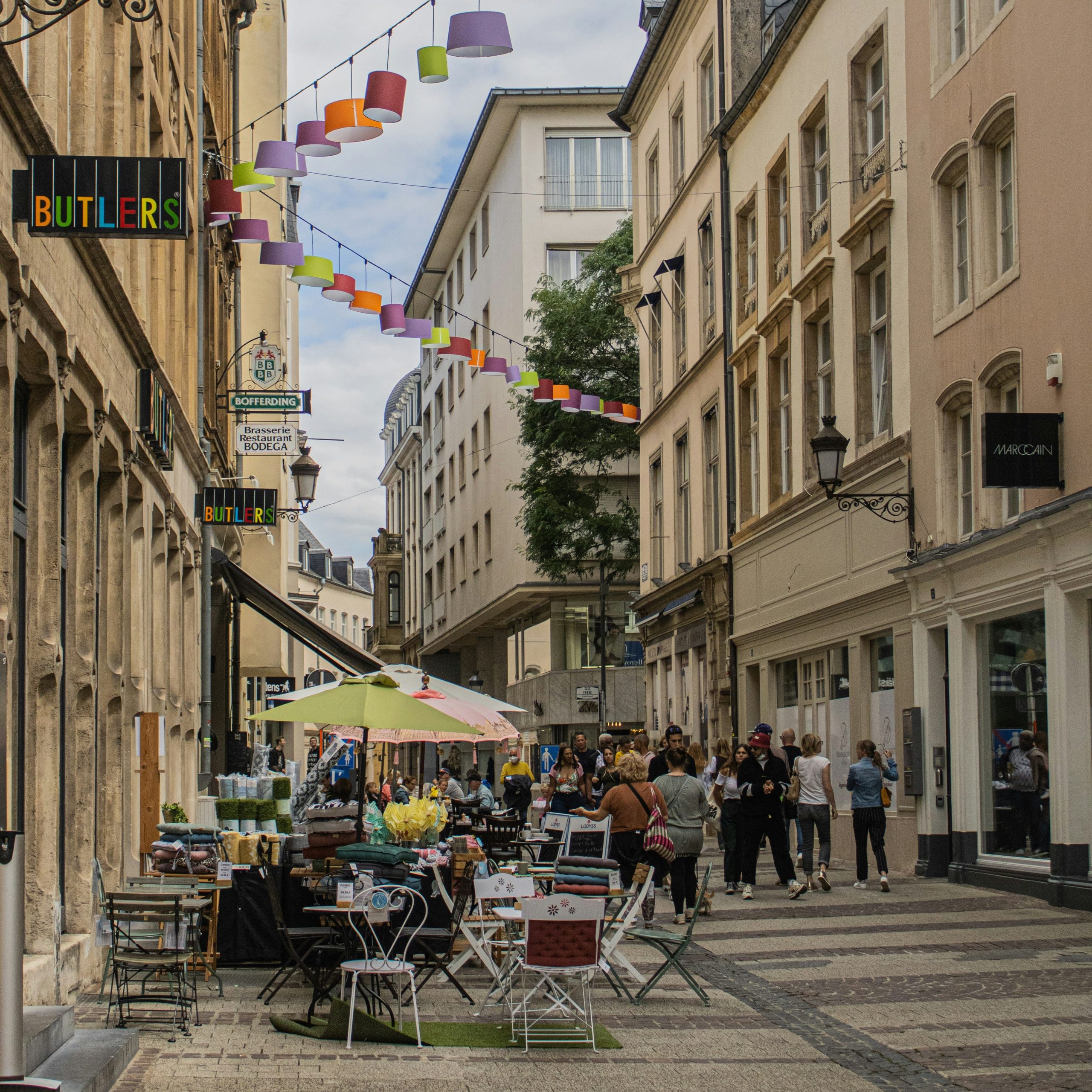
Top 5 Places to Visit Near Luxembourg City
If you’re wondering what to visit in Luxembourg City, you’ll quickly find that some of the most memorable places are just outside of it. The capital is easy to explore in a day, but if you have a bit more time, the surrounding region is where Luxembourg really starts to shine. Think hilltop castles, forest trails, quiet rivers, and small towns that feel like something out of a storybook.
Mullerthal Trails (Little Switzerland)
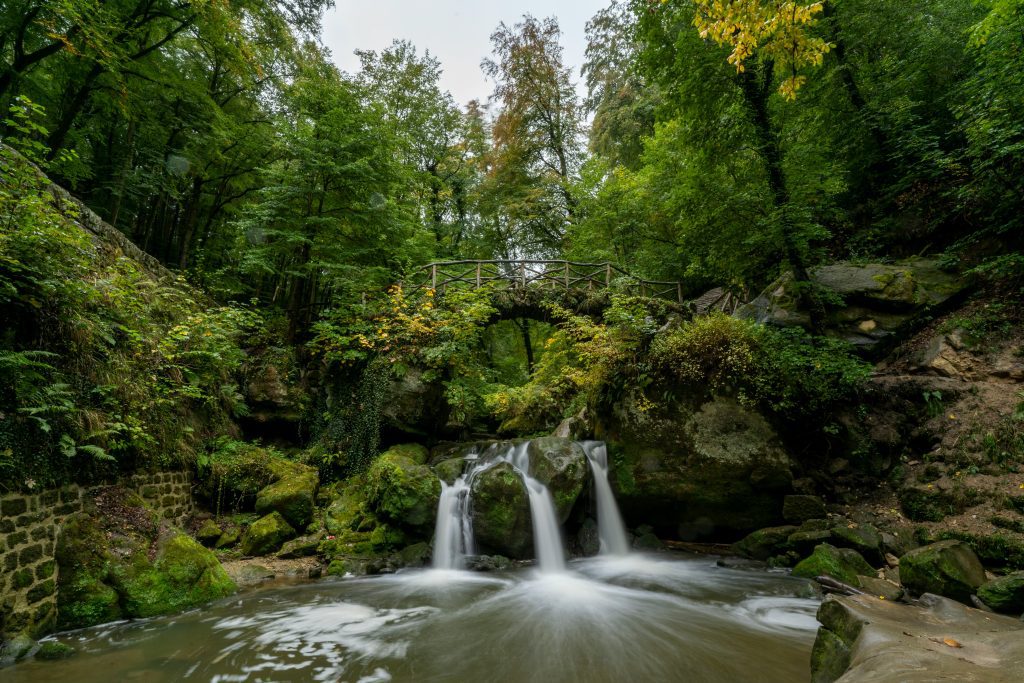
The Mullerthal is my go-to nature escape from the city. Forest trails, narrow rock passages, and moss-covered cliffs make it feel like you’ve stepped into another world. Even a short walk to the Schiessentümpel Waterfall gives you a real taste of what people call “Little Switzerland”, and it’s easy to see why that name stuck.
Vianden Castle
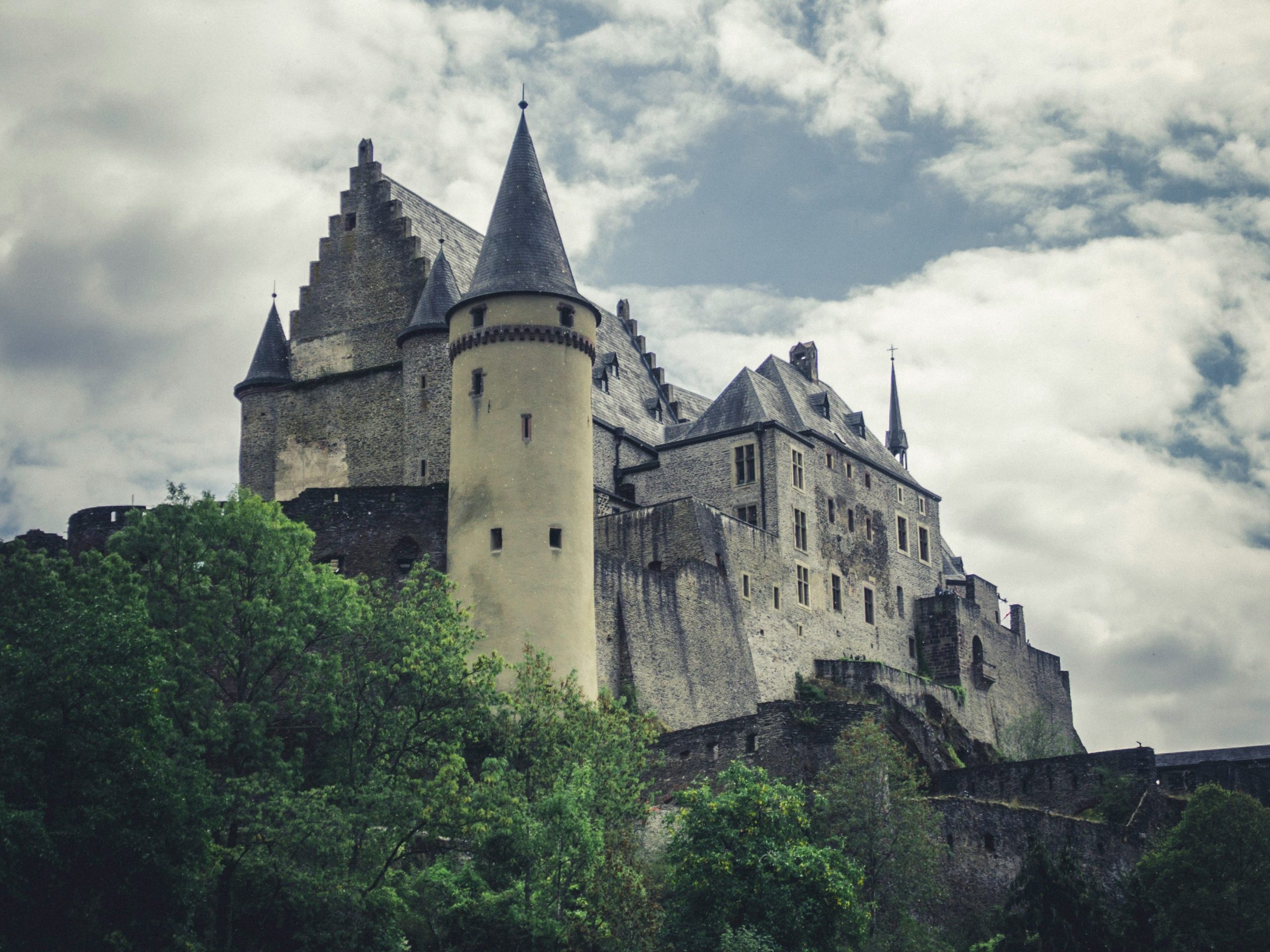
This was easily one of my favorite stops in Luxembourg. Vianden Castle sits high above the river valley and looks incredible from a distance, honestly, it was one of the most striking castles I’ve ever seen. The interior is worth a quick walk-through, though like many castles, the outside leaves the stronger impression. Still, it was totally worth it.
It’s an easy trip from the city and one of the best choices for a first-time visit. You can check opening times and ticket prices on the official Vianden Castle website.
Clervaux
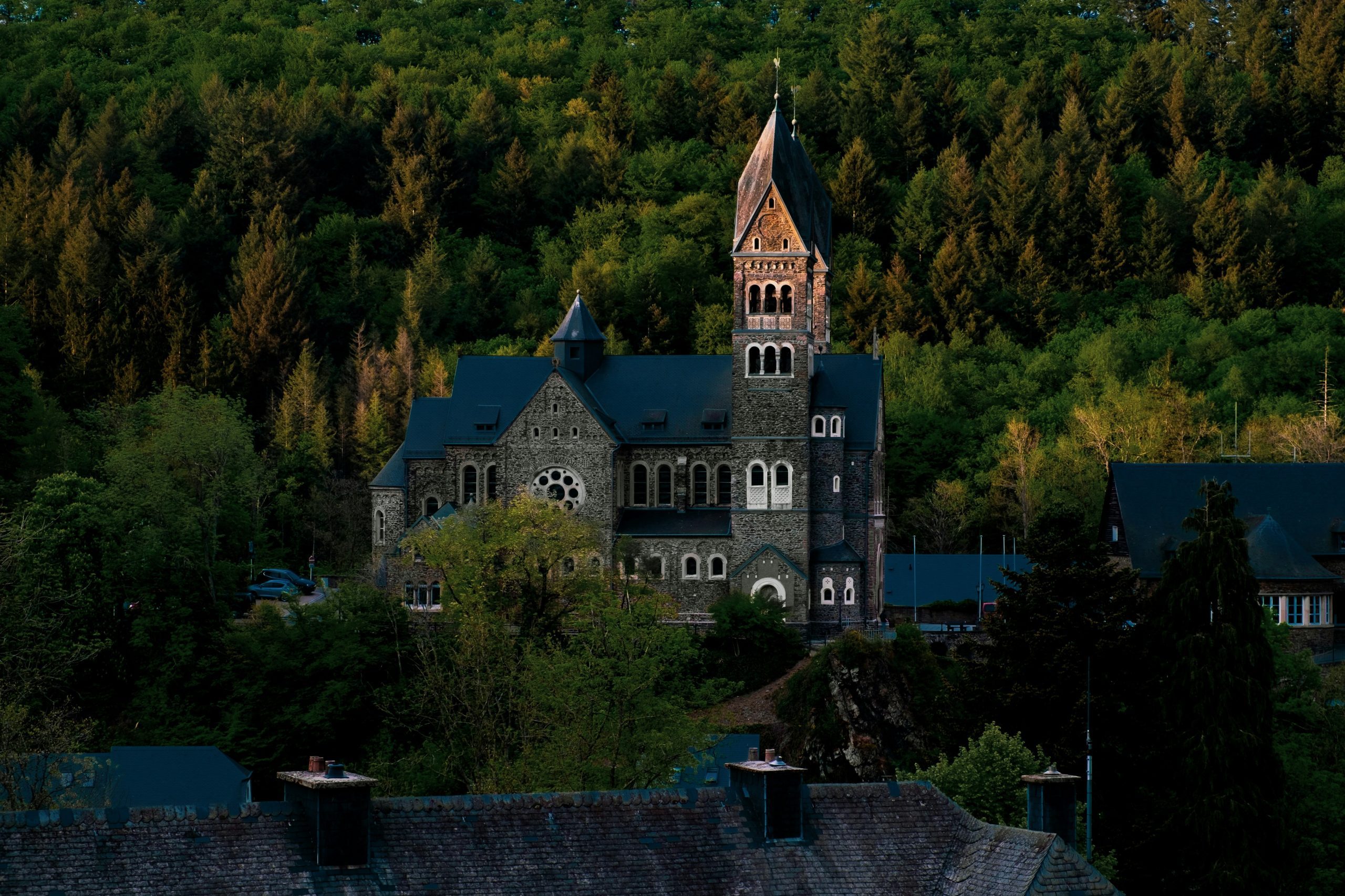
Clervaux is smaller and much quieter than the capital, but it’s well worth the trip. The Benedictine Abbey sits above the town, and the Family of Man photo exhibition is a real standout if you’re into photography or culture.
Esch sur Sûre and the Upper Sûre Valley
This tiny riverside village is tucked into a dramatic bend and surrounded by castle ruins and forested hills. It’s one of the best quick escapes from the city if you’re after views, light walking, or just want to be somewhere peaceful for a few hours.
Moselle Wine Region
If you’re into food and wine, head to the Moselle. The river towns are charming, and vineyard walks or tastings give you a totally different pace compared to the city. Remich and Grevenmacher are easy to reach, and the whole area feels relaxed without being boring.
How Much Time to Add
One extra day is usually enough. If you want nature, go for the Mullerthal. If you want history or castles, Vianden is the better choice. Either one gives you a full day’s worth of exploring and pairs naturally with a city-based visit.
Practical Tips for Visiting Luxembourg City
After spending time in the city myself, and scanning through hundreds of forum posts and trip reports, I noticed the same practical questions coming up again and again. Luxembourg City is genuinely easy to explore, but a few details can make your visit much smoother.
Start Early if You Want the Casemates
The Bock Casemates are the one attraction where timing really matters. Lines grow quickly during peak season, and the tunnels can feel crowded by mid-morning. Get there in the first hour after opening and you’ll have quieter views and better light. If the Pétrusse Casemates are open during your trip, check the schedule, they often close for maintenance without much notice.
Follow the City’s Natural Route
The best way to see the city is to follow the terrain. Start in the upper town for the panoramic viewpoints, walk the Corniche, explore the Casemates, then head down into the Grund. This path flows naturally and saves you from doing extra uphill climbs later. It also happens to line up with the city’s most scenic stretch.
Public Transport Is Free
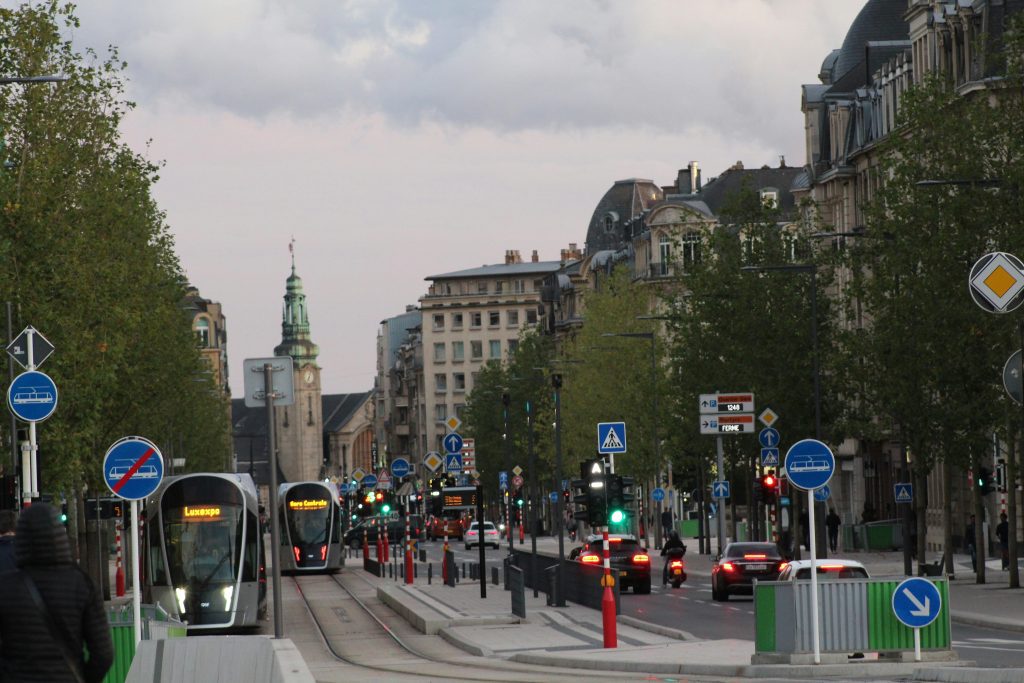
Buses and trams are free throughout the entire country which is awesome. You probably won’t need them much if you’re sticking to the historic center, but they’re great for avoiding steeper climbs or heading out to districts like Kirchberg for museums. Just hop on, no tickets or apps needed.
Shops Close Early and Sundays Are Quiet
The city winds down earlier than you might expect. Shops close by evening, and Sundays feel almost like a reset. As someone who lives in Vienna, I’m unfortunately used to this, but for anyone visiting from North America or southern Europe, it might come as a surprise.
Weather Changes Quickly
Even in summer, clouds move fast and conditions shift between sun and drizzle. Bring a light layer and expect lighting changes throughout the day. The good news is that the views remain strong even in overcast conditions, which suits the city’s cliffs and stone walls.
Expect a Compact, Polished Capital
Travellers sometimes arrive expecting a large, urban capital and feel surprised by how relaxed the centre is. The charm of Luxembourg City is its scale. The historic areas are tidy, walkable, and safe, and everything fits naturally into a one day visit.
Book Accommodation Early for Weekends
Weekends often bring visitors from neighbouring countries, especially when events, markets, or conferences are happening. Hotels in the centre fill first, so booking early helps avoid higher last minute prices.
Final Thoughts: Is Luxembourg City Worth Visiting?
If you’re already in the region, Luxembourg City is absolutely worth a stop. Not because it overwhelms you with things to do, but because it offers something different. It’s calm. It’s well-structured. And it reveals itself best to people who enjoy walking, looking out over valleys, and noticing small details in historic places.
No, it’s not the kind of capital where you’ll fill three days with blockbuster sights. But that’s exactly what makes it appealing. You get the feel of a capital city without the noise, the traffic, or the stress. And with how close everything is, even one day here gives you a full experience as long as you spend it well.
If you like viewpoints, quiet streets, and places that are easy to understand without being boring, then yes, Luxembourg City is worth it. I’m glad I went. You probably will be too.
Planning More Trips in Europe?
Luxembourg is just one stop. Explore my other travel guides, weekend itineraries, and destination tips across Europe, all in one place.
👉 See All Destinations
FAQ: Visiting Luxembourg City
Is Luxembourg City worth visiting?
Yes. Luxembourg City is worth visiting if you enjoy scenic viewpoints, fortress ruins, and walkable historic areas. The capital is compact, safe, and visually impressive, especially around the Corniche, the Casemates, and the Grund.
What should I not miss in Luxembourg City?
The must-see places include the Bock Casemates, Chemin de la Corniche, the Grund district, Notre Dame Cathedral, the exterior of the Grand Ducal Palace, and one museum like MUDAM or the Luxembourg City Museum.
Is one day enough for Luxembourg City?
Yes. One day is enough for most people. The city is compact, and a well-planned route through the upper town, Corniche, Casemates, and Grund covers the highlights without feeling rushed.
How do I get around Luxembourg City?
Luxembourg City is very walkable, especially the historic centre. All public transport in the country, including trams and buses, is free, which helps for reaching areas like Kirchberg or avoiding steep sections.
What else can I visit near Luxembourg City?
Top nearby places include Vianden Castle, the Mullerthal Trails, Clervaux, Esch-sur-Sûre, and the Moselle wine region. Each offers a different look at Luxembourg outside the capital and is easy to reach as a day trip.